Tensions escalate over Strait of Hormuz as Iran hits back at US warnings

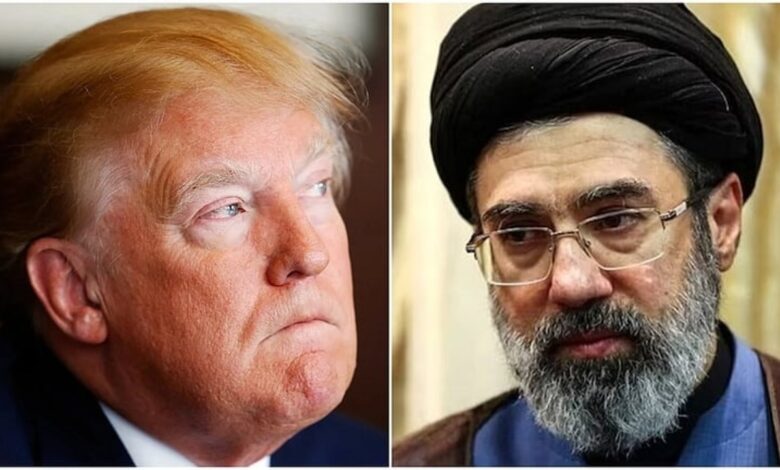
Tehran ;Global tensions have sharply escalated around the strategically crucial Strait of Hormuz, with Iran issuing a stern warning to the United States amid rising fears of a wider conflict in West Asia. Iranian leaders have declared that the situation in the region “will never return to normal,” signaling a potentially long-term geopolitical shift.
The fresh escalation follows provocative remarks by former US President Donald Trump, who reportedly threatened severe military action if Iran fails to reopen key maritime routes. Trump warned that critical infrastructure, including power plants and bridges in Iran, could be targeted if Tehran does not comply within a stipulated timeframe. His statement—suggesting that failure to act could lead to large-scale destruction and seizure of oil resources—has triggered global outrage and concern.
Responding strongly, Iran’s Parliament Speaker Mohammad Bagher Ghalibaf accused the US of pushing the region toward chaos. He warned that such aggressive posturing could turn the region into a “living hell” and blamed Washington for escalating tensions. Ghalibaf also alleged that US actions were being influenced by Israeli leadership, indirectly referring to Prime Minister Benjamin Netanyahu, and cautioned that blindly following such directives could ignite a broader regional war.


Echoing similar concerns, Iran’s Foreign Ministry spokesperson Esmail Baghaei condemned the US threats as violations of international law. He described any potential targeting of civilian infrastructure as a “crime against humanity,” warning that such actions would endanger innocent lives and further destabilize the region.
Adding to the criticism, Iranian minister Seyyed Reza Salehi-Amiri labeled Trump as an “unstable and delusional leader,” intensifying the war of words between the two sides.
Meanwhile, Russia has stepped in with a call for restraint. Foreign Minister Sergey Lavrov urged the United States to abandon the language of threats and instead pursue diplomatic dialogue. He emphasized that continued escalation could have serious global repercussions.
The Strait of Hormuz remains one of the world’s most vital النفط transit corridors, with nearly 20% of global oil supply passing through it. Any disruption in this narrow passage has immediate implications for global energy markets. Already, fears of instability have begun to push oil prices upward, while shipping routes face uncertainty.
Iran’s assertion that the Strait “will never be the same again” has further heightened anxieties. Analysts believe this signals not just a temporary reaction, but a deeper strategic stance aimed at challenging US and allied influence in the region.
With both sides exchanging sharp rhetoric and setting implicit deadlines, the situation remains volatile. Experts warn that if diplomatic efforts fail, the crisis could spiral into a broader military confrontation, impacting not just the Middle East but the global economy at large.
As the world watches closely, the coming days are expected to be critical in determining whether tensions de-escalate or move toward open conflict.