Karnataka Plans Stronger Rules to Curb Repeated Reuse of Cooking Oil
Karnataka is preparing stronger measures to control repeated cooking oil reuse, improve food safety and expand collection of used oil for biodiesel production through RUCO.

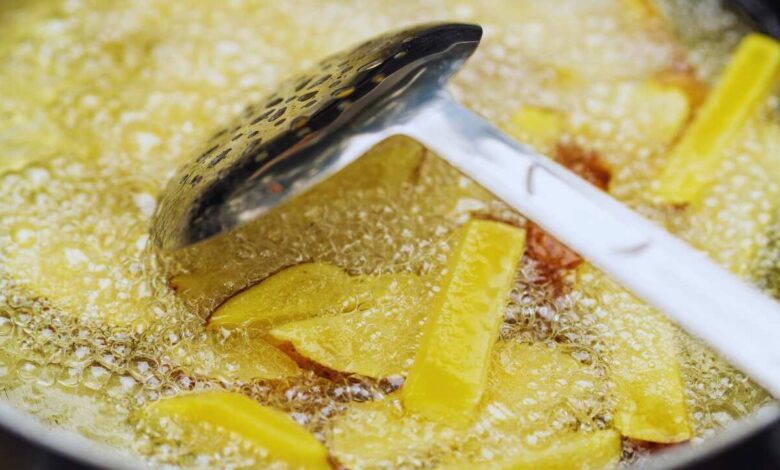
Karnataka is preparing stronger measures to control the repeated use of cooking oil in homes and food businesses, with the Health Department and Food Safety Department examining ways to improve monitoring and disposal.
The issue has gained attention as the state steps up its wider food safety efforts. Health Minister U T Khader recently said the government is exploring ways to discourage repeated reuse of cooking oil and is considering cooperation with biodiesel companies to collect used oil from hotels and other food establishments. More than 1000 street food vendors are also expected to receive training covering food hygiene and the responsible use of cooking oil.
Under the proposed approach, repeated heating of the same oil will come under closer scrutiny. The focus is not simply on how many times oil is heated, but also on its quality and the formation of Total Polar Compounds, commonly known as TPC.
FSSAI has already fixed 25 percent as the maximum TPC limit for vegetable oil used in cooking. Oil crossing this level should not be used for food preparation. FSSAI says repeated frying changes the properties of oil and leads to the formation of TPC.

Existing food safety guidance also says reuse of cooking oil should be avoided where possible. If reheating is necessary, FSSAI guidance has recommended limiting reheating to a maximum of three times, while noting that using oil only once is preferable.
The proposed Karnataka measures are expected to place greater attention on what happens to oil after it is no longer suitable for cooking. Instead of allowing used oil to enter drains or return to the food chain, authorities want it collected through an organised system.
This is where the RUCO initiative becomes important. RUCO stands for Repurpose Used Cooking Oil and is designed to create a collection network through which used cooking oil can be diverted from the food chain and sent to authorised biodiesel or soap manufacturers.
Karnataka has already been working on RUCO related awareness and implementation. The states Health and Family Welfare Department annual report records awareness programmes aimed at converting used cooking oil into biodiesel through scientific processes.
The new plan could bring more hotels, restaurants, bakeries and other food businesses into a structured collection system. Such establishments may also face closer checks on how frequently cooking oil is reused and how discarded oil is handled.
FSSAI rules already require food businesses that consume more than 50 litres of edible oil for frying each day to maintain records related to used cooking oil disposal and hand the oil over to authorised collectors.
For households, the proposed approach is expected to encourage people not to pour leftover cooking oil into drains. A ward level collection mechanism is being considered so that used oil can be collected and directed towards suitable non food uses.
The state is also considering collection points that could make disposal easier for food businesses. According to Khader, discussions are being held on a system through which used oil can be collected and supplied to biodiesel companies, while businesses could receive fresh cooking oil through an organised arrangement.
The health concerns behind the move are linked to repeated heating and changes in oil quality. FSSAI notes that compounds formed during repeated frying have been associated with several health problems, which is why monitoring the quality of frying oil is part of its food safety framework.
Recent inspections in Karnataka have also brought the issue into focus. In July 2026, the states Food Safety and Drug Administration reported collection of 4.587 million litres of used cooking oil through the RUCO programme between 2024 and 2026. The collected oil was diverted for biodiesel and soap production rather than being returned to the food chain.
The government is now looking at awareness along with enforcement. Training food vendors and business operators could help them understand when cooking oil should be discarded, how its quality can be monitored and how used oil should be handed over for proper disposal.
For consumers, the key message is to avoid repeatedly using visibly degraded oil. Changes such as excessive darkening or smoking can indicate that the oil has deteriorated, although formal safety decisions should be based on the applicable food safety standards rather than appearance alone.
Karnataka has been strengthening food safety inspections across different categories of food businesses, and the proposed cooking oil measures fit into that broader effort. The government is expected to work out the operational details before introducing any new state level requirements.
The focus on used cooking oil also has an environmental angle. Proper collection prevents discarded oil from entering drainage systems and creates an opportunity to convert the waste into useful products such as biodiesel. RUCO was specifically created to establish this type of collection and conversion system.
The next stage will depend on the guidelines prepared by the state authorities and how they are implemented across restaurants, hotels, bakeries, street food outlets and households. For now, Karnataka is moving towards a system that combines food safety checks, awareness and organised disposal of used cooking oil.