Mamata Banerjee to File Case Against Amit Shah Over Remarks Ahead of Bengal Polls
Mamata Banerjee announces legal action against Amit Shah over controversial remarks as political tensions rise ahead of second phase of West Bengal elections with high voter turnout.

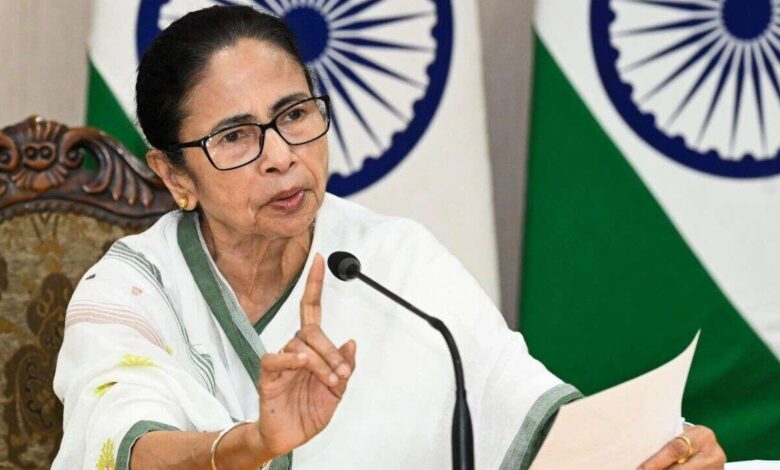
Political tensions in West Bengal have intensified as Chief Minister Mamata Banerjee announced plans to take legal action against Union Home Minister Amit Shah over his recent remarks. The development comes at a crucial time as the state prepares for the next phase of Assembly elections.
Speaking at a public gathering in Hooghly, Banerjee strongly criticised Shah’s statements, calling them inappropriate for someone holding a key constitutional position. She questioned the tone and language used, stating that such remarks do not reflect the responsibilities of a Home Minister.
The controversy stems from Shah’s speech at a rally, where he warned of strict action against alleged troublemakers linked to the ruling party. His comments, which included a strong warning about dealing with those disrupting the electoral process, triggered sharp reactions from the Trinamool Congress leadership.
Banerjee described the remarks as unacceptable and said they indicated a forceful political approach that would not resonate with the people of Bengal. She asserted that voters in the state would respond through democratic means rather than intimidation.


The political exchange has added to the charged atmosphere ahead of the second phase of polling. The first phase saw a notably high voter turnout, reflecting strong public participation in the electoral process.
Election authorities have maintained tight security arrangements across constituencies to ensure smooth polling. With the next phase scheduled soon, both major parties are intensifying their campaigns, making the contest increasingly competitive.
While Shah also acknowledged the high voter turnout and praised the role of election officials and security forces, the ongoing war of words between leaders continues to dominate the political narrative.
As the campaign progresses, the focus is shifting not only to policy debates but also to rhetoric, with both sides aiming to influence public sentiment before voters return to the polling booths.