Native Hibiscus vs Hybrid Hibiscus Which One Blooms Better and How to Get Flowers in Bunches
Hibiscus plants bloom beautifully when given proper soil, sunlight, watering and pest care. Experts explain the differences between native and hybrid varieties and share simple tips for fuller flowering results

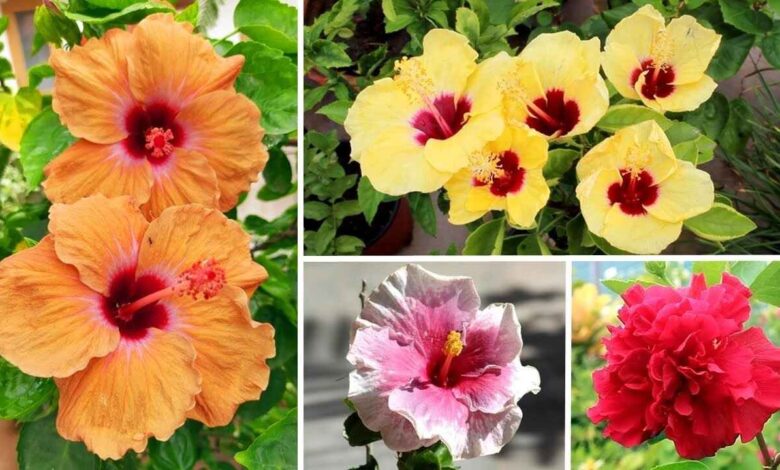
Hibiscus plants are among the most loved flowering plants in home gardens, but many gardeners often struggle with fewer blooms or falling buds. Experts suggest that with the right care routine, even a simple plant can produce flowers in clusters throughout the year. Soil mix, watering pattern, sunlight exposure and pest control all play an important role in healthy flowering.
Native hibiscus and hybrid hibiscus behave differently depending on growing conditions. Native varieties are known for their resilience and ability to withstand high temperatures. Even in intense summer heat, they continue to flower steadily and their roots remain strong and stable. On the other hand, hybrid hibiscus plants are developed for larger and more attractive flowers, but they require more attention and care. During peak summer, their growth may slow down and leaves can turn yellow if conditions are not ideal.
Gardeners often notice that hybrid plants recover better during the rainy season, but they still demand consistent maintenance. For those who prefer low effort gardening with regular blooms, native hibiscus is often the easier choice. However, for gardeners who want larger and more vibrant flowers, hybrids can be rewarding if cared for properly.
Soil preparation is one of the most important factors for hibiscus growth. The soil should never be allowed to dry out completely as it leads to bud drop and weak flowering. At the same time, water should not stagnate around the roots. A balanced mix of garden soil, compost, sand and coconut coir or rice husk works best. Coconut coir helps retain moisture while rice husk keeps the soil loose and improves drainage. Compost slowly releases nutrients and strengthens the plant over time.

Sunlight requirements also differ between the two types. Native hibiscus thrives in full sunlight and can handle six to eight hours of direct sun without issues. Hybrid varieties prefer softer sunlight, especially in the morning. Harsh afternoon heat can damage their leaves and reduce flowering, so partial shade during peak hours is more suitable for them.
Pest control is another key aspect of hibiscus care. Mealybugs are a common problem that affect plant health by sucking sap from leaves and buds. A simple natural solution is to spray neem oil mixed with water once a week during evening hours. In severe cases, mild chemical treatments may be used carefully, but avoiding excessive heat during spraying is important to protect the plant.
For better flowering results, regular feeding makes a big difference. Vermicompost applied once a month helps improve soil fertility and supports healthy growth. Along with this, a liquid fertilizer made from mustard cake powder and neem cake powder can be highly effective. When soaked in water and applied after 24 hours, this mixture strengthens roots, improves bud formation and enhances flower size and color.
With consistent care and balanced maintenance, hibiscus plants can bloom beautifully in any season. Native varieties offer easy growth with steady flowers, while hybrid plants reward extra care with larger and more colorful blossoms, making both options valuable for garden lovers.