Perfect Hotel Style Rava Upma Secret for Soft and Fluffy Breakfast at Home
A simple South Indian breakfast favourite can turn into a restaurant style dish with the right roasting method, water ratio and mixing technique that prevents lumps and delivers soft flavorful rava upma every time

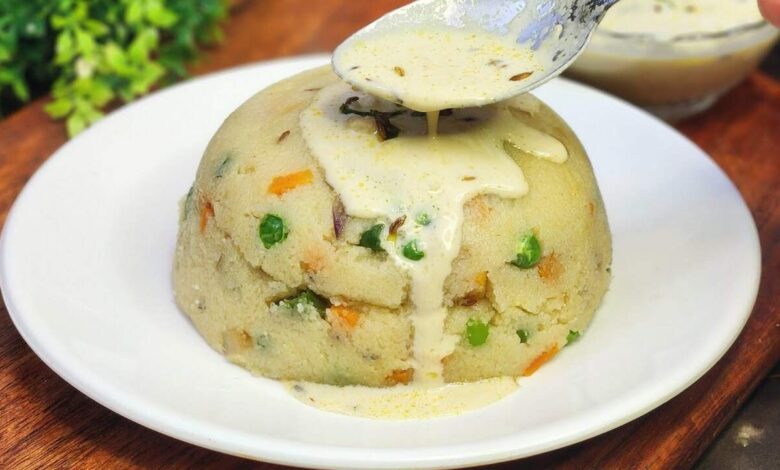
Rava upma has always been one of the most preferred breakfast choices across South India because it is quick, light and budget friendly. From working professionals to homemakers, it fits easily into busy mornings. But even though the recipe looks simple, many people struggle to get the perfect texture. Sometimes it turns sticky, sometimes it becomes dry and uneven. Getting that soft, fluffy hotel style upma at home is actually about timing and a few small cooking habits.
The key to perfect rava upma often begins much before adding water. Roasting the semolina properly makes a huge difference in the final texture. When rava is lightly roasted in ghee or oil until it releases a mild aroma, it prevents the final dish from becoming lumpy. This small step is what gives that separate grainy and fluffy consistency that we usually enjoy in restaurants.
Once the rava is ready, the cooking process moves to the seasoning stage. In a pan, oil or ghee is heated and tempered with mustard seeds, cumin, urad dal and chana dal. Cashews are added for a light crunch, followed by green chilies, ginger, onions and curry leaves. As the onions soften and lose their raw smell, the base of the upma becomes rich in flavor. Some people also add vegetables like carrots or peas at this stage for extra nutrition.
Water plays the most important role in deciding the texture. For every cup of rava, around two and a half to three cups of water is ideal depending on how soft you prefer it. The water is brought to a full boil along with salt before the roasted rava is slowly added. This step needs attention because adding rava gradually while stirring continuously helps avoid any lumps forming.


As the mixture thickens, the flame is reduced and the pan is covered for a few minutes so the rava absorbs all the moisture evenly. This resting time helps the upma become soft yet non sticky. A final touch of ghee, fresh coriander and a squeeze of lemon juice brings freshness and aroma that completes the dish.
Interestingly, many home cooks find that the final taste improves when small details are followed carefully rather than changing ingredients. Even a simple dish like rava upma transforms completely when the roasting, water ratio and stirring technique are balanced properly.
Once served hot, rava upma pairs beautifully with coconut chutney or ginger chutney, making it a comforting breakfast option. With a little practice, anyone can recreate that light, fluffy hotel style texture right in their own kitchen without any complicated steps.