Praja Seva Campaign To Bring Government Services Closer To People
The Karnataka government is preparing to take its grievance redressal system closer to citizens, with ministers, MLAs and officials set to meet people directly across taluks and hoblis.

The Karnataka government is introducing a wider public grievance programme aimed at making administration more accessible to people in villages and towns. The initiative, called Praja Seva, is designed to allow citizens to raise their concerns directly with ministers, elected representatives and government officials.
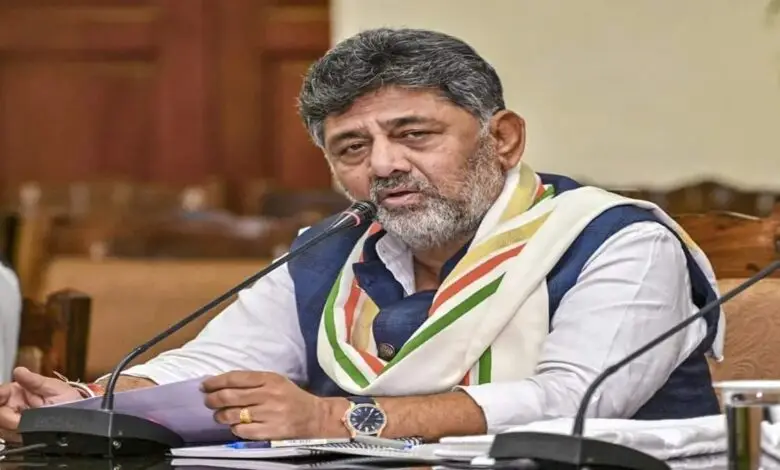
Deputy Chief Minister DK Shivakumar said the programme would begin in Kudligi and focus on listening to public complaints at the local level. The idea is to take the government to the doorstep of citizens instead of expecting people to repeatedly visit government offices for routine issues.
Under the proposed system, ministers will be required to visit different taluks on the first and third Saturday of every month. After the first round, the programme will also be extended to the hobli level. MLAs have been asked to meet people at the panchayat level and understand the problems they are facing.
Shivakumar said the government was not claiming that every complaint would be solved immediately. However, he pointed out that officials and public representatives would have a better chance of finding practical solutions when they directly hear about the difficulties and concerns of citizens.


The Praja Seva campaign is expected to cover complaints connected with government services, difficulties in accessing welfare facilities and other problems faced by people while dealing with different departments. Citizens will be able to submit their grievances through a simpler process without having to make repeated trips to government offices.
The programme is also intended to improve accountability within the administration. Complaints involving different departments will be received during the meetings and efforts will be made to resolve them within a fixed period. The government believes that direct interaction with citizens can also improve transparency in the delivery of public services.
According to the proposed schedule, Praja Seva meetings will take place every Saturday at the taluk or hobli level. The first and third Saturdays of each month will see meetings at taluk headquarters under the leadership of the district in charge minister.
The second and fourth Saturdays will be used for meetings at the taluk or hobli level under the leadership of local MLAs. This arrangement is intended to ensure that public representatives remain connected with citizens throughout the month rather than limiting grievance meetings to occasional events.
Shivakumar also said he would personally take part in the campaign by receiving applications from members of the public from the morning and working with officials to respond to their concerns. The same process is expected to continue across other taluks as the programme expands.
The launch comes around Teachers Day, when several ministers have been assigned special responsibilities connected with education related programmes. The Higher Education Minister and Primary Education Minister are among those with specific responsibilities, while other ministers are expected to attend Teachers Day events in their respective districts.
The government sees Praja Seva as an attempt to change the way people approach administration. Instead of citizens having to identify the correct department, travel to offices and follow up repeatedly, the grievance meetings are intended to create a common platform where different issues can be brought before officials.
The success of the initiative will ultimately depend on how quickly complaints are examined and how effectively departments follow up after the meetings. While immediate solutions may not be possible for every issue, the government expects direct public interaction to help identify problems earlier and improve coordination between officials.
The programme will therefore serve not only as a grievance receiving mechanism but also as a way for the government to understand problems at the ground level. Regular meetings involving ministers, MLAs and officials could give the administration a clearer picture of the difficulties people face while accessing government services and facilities.