Karnataka To Clear 11,671 Acres Of Lake Encroachments, Criminal Cases Warned
Karnataka plans to remove encroachments from 4,828 lakes covering 11,671 acres, while Minister Eshwar Khandre warned that fresh lake encroachments will face criminal action.

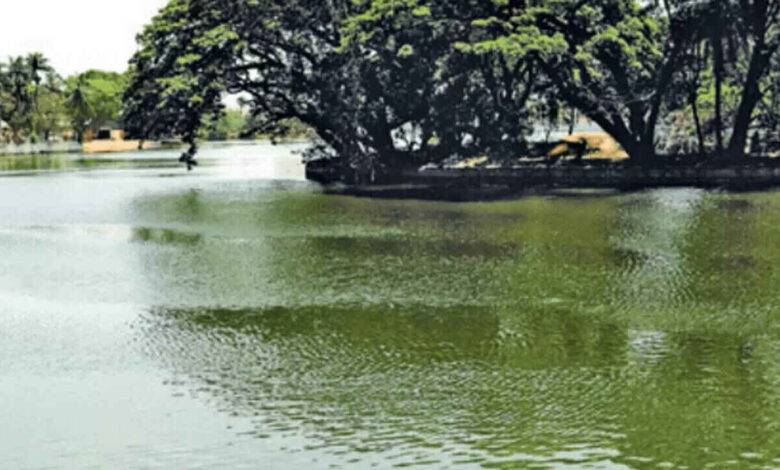
The Karnataka government is preparing to step up action against lake encroachments across the state, with Rural Development and Panchayat Raj Minister Eshwar Khandre warning that fresh encroachments will not be tolerated.
Khandre said action has been initiated to clear encroachments from 4,828 lakes covering 11,671 acres. He warned that anyone found encroaching on lakes managed by gram panchayats will face eviction and criminal proceedings.
The minister made the statement while addressing a press conference in Bengaluru. He stressed that protecting water bodies has become increasingly important as groundwater levels continue to decline and the demand for drinking water rises.
According to the figures shared by Khandre, there are 32,504 lakes under the jurisdiction of gram panchayats in Karnataka. Of these, 11,498 had reportedly been identified as encroached upon. Authorities have already cleared encroachments from 6,670 lakes, while the remaining 4,828 lakes still require action.


Khandre has directed officials to speed up the process of removing the remaining encroachments. He also made it clear that future encroachments would invite criminal cases, signalling a stricter approach towards the protection of public water bodies.
The minister linked the issue to the wider water security challenge facing Karnataka. Although most of the Earth is covered by water, only a small portion is available as freshwater suitable for human use. He said this makes the protection of lakes, reservoirs, rivers and other water sources a shared responsibility.
Khandre recently participated in a two day departmental summit on sustainable water management organised by the Ministry of Jal Shakti in Delhi. He said Karnataka presented the steps taken by the state towards water conservation in the presence of Prime Minister Narendra Modi.
He pointed out that several parts of Karnataka have hard rock formations and laterite below the surface. These conditions can make it difficult for rainwater to seep into the ground, while excessive groundwater extraction has added further pressure on underground water reserves.
With groundwater declining, Khandre said surface water sources will become increasingly important in the coming years. He warned that failing to protect lakes, tanks, reservoirs and rivers could worsen water shortages.
The minister also said he had urged the Centre to consider a national programme to protect lakes, reservoirs and rivers from pollution and encroachment. He stressed that water bodies need protection not only from illegal occupation but also from the entry of untreated waste.
Drinking water supply in rural Karnataka remains another major challenge. The state has 26,589 villages with a population of around 4.45 crore people, meaning a significant share of Karnataka’s population lives in rural areas.
Khandre said the government is implementing single village and multi village drinking water projects while considering future population growth. The planning is intended to ensure that rural communities have access to reliable and clean drinking water in the coming decades.
The state has also trained around 1.51 lakh women to check the quality of surface water using field testing kits. According to the minister, the initiative is aimed at strengthening local participation in monitoring drinking water quality.
Karnataka has also introduced water budgeting, which Khandre described as the first such initiative at the state level in the country. The approach involves assessing the amount of water available in a particular geographical area against present and future demand. This information can then be used to plan water use in a more systematic manner.
The state has additionally introduced continuous drinking water supply projects in 268 villages. Khandre said these projects have helped save around seven percent of drinking water and reduced electricity consumption used for water pumping by about 12 percent.
He said district level water and sanitation campaign structures have also been established, along with committees at the district and state levels. These measures, according to the minister, are part of the government’s broader effort to create a more dependable drinking water system.
The proposed action against lake encroachments is therefore being presented as part of a wider water conservation strategy. With the remaining encroachments spread across thousands of acres, the implementation of the government’s latest directions will be closely watched in the coming months.