Davanagere Tula Bhavan Draws Oxford University Attention With Rare Weights Collection
Davanagere Tula Bhavan has attracted Oxford University attention for its rare collection of weighing and measuring instruments, with Basavaraj Yalamalli invited to deliver lectures about their history.

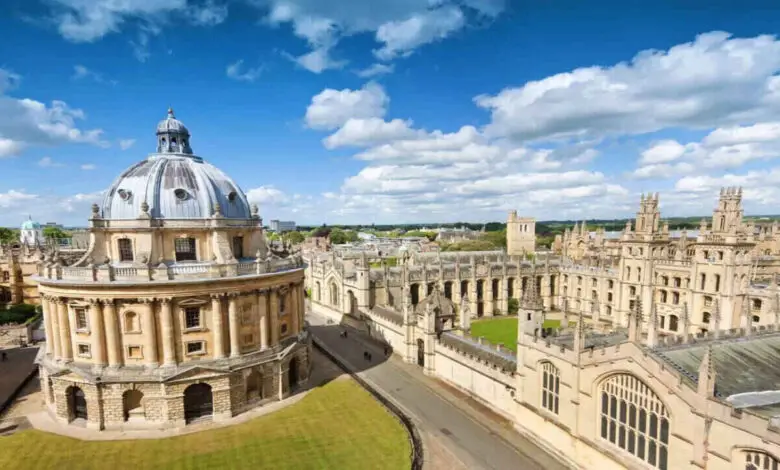
A unique collection in Davanagere has now caught the attention of one of the worlds best known academic institutions. Tula Bhavan, known for preserving historic weighing and measuring instruments, has received an invitation from Oxford University for a special series of lectures on its collection and the history behind these devices.
Basavaraj Yalamalli, who heads Tula Bhavan, is scheduled to visit England from September 12 to September 26. During his 14 day visit, he will speak at the History of Science Museum department of Oxford University about the instruments preserved at the Davanagere collection.
The invitation has brought international recognition to a collection that began from a family business and gradually developed into something much larger. Tula Bhavan currently has more than 5360 weighing and measuring instruments, covering equipment used during different periods and for a variety of purposes.
The collection is located in Chamarajapet in Davanagere and includes instruments dating from the 17th century to the 20th century. Some of the exhibits were used in India, while others represent instruments associated with different regions and princely establishments. The collection is said to include examples connected with 18 countries.


What makes Tula Bhavan particularly interesting is the range of everyday and commercial instruments it has preserved. Visitors can find traditional weighing scales used in markets as well as equipment that was once used by the postal department to measure the weight of parcels and other items.
There are also weighing devices associated with specific trades. Instruments used by meat sellers and gold merchants form part of the collection, showing how weighing technology varied depending on the material being measured and the nature of the business.
Rather than simply displaying old equipment, the collection offers a glimpse into how people handled trade and everyday transactions in earlier generations. The design of each instrument, its purpose and the period in which it was used provide clues about the changing methods of measurement over time.
The story of Tula Bhavan itself is closely linked to the Yalamalli family business. The family has been involved in the sale of weighing scales for nearly six decades. Through this work, Basavaraj Yalamalli developed an interest in collecting unusual instruments used in different places and periods.
Over the years, part of the income from the weighing scale business was used to build and expand the collection. According to Tula Bhavan, the project was developed without financial assistance from any organisation or individual.
The growing collection eventually earned a place in the Limca Book of Records, adding another milestone to its journey. The recognition helped bring wider attention to the unusual effort to preserve weighing and measuring equipment as part of historical and cultural heritage.
The collection is now set for another major expansion. Plans are underway to establish a larger museum within the premises of the Taralabalu Math at Sirigere in Chitradurga district. The proposed facility is expected to provide more space and allow the instruments to be displayed in a more organised manner.
The planned museum could also make it easier for visitors and researchers to understand the development of measurement systems across different periods. Since the collection focuses specifically on weighing and measuring equipment, it provides a specialised view of an important part of economic and social history.
The Oxford invitation is particularly significant because the discussion will take the collection beyond a local museum setting and into an academic environment. Basavaraj Yalamalli is expected to explain the history of the instruments, their practical uses and the significance of preserving them.
His lectures will focus on how different weighing and measuring devices were used over time and what they reveal about trade and daily life. The Oxford programme also provides an opportunity to place the Davanagere collection in a broader historical context.
For Tula Bhavan, the invitation represents a new chapter after decades of collecting and preserving these objects. What began alongside a family weighing scale business has gradually grown into a collection recognised beyond Karnataka.
The upcoming lectures at Oxford could further increase interest in the instruments and encourage discussions about preserving similar objects of technological and commercial history. The planned museum at Sirigere is also expected to give the collection a larger platform in the future.
With thousands of historic instruments, a record recognition and now an academic invitation from Oxford University, Tula Bhavan has emerged as an unusual example of how a traditional family business can evolve into an important effort to preserve history.