Mangaluru prepares for electric bus rollout, first 100 buses to hit roads next year


Mangaluru: Preparations are in full swing in Mangaluru city for the introduction of electric buses, marking a significant step towards greener and sustainable urban transport.
The Kuntikana KSRTC depot and B.J. Bus Stand have received approvals from MESCOM and KPTCL for charging points, clearing a major hurdle for the project. Once central government funding is released, construction work for the charging infrastructure will begin immediately, and the city is expected to see 100 electric buses on its roads by next year.
The initiative aims to improve public transport efficiency while reducing air and noise pollution in the city. In the first phase, 50 electric buses will begin operations within the next six months. The second batch of 50 buses will be deployed by the end of next year.
The buses will operate on existing routes served by conventional buses, while older buses will be reassigned to other parts of the city, including areas previously underserved. This expansion is expected to increase connectivity and convenience for commuters.
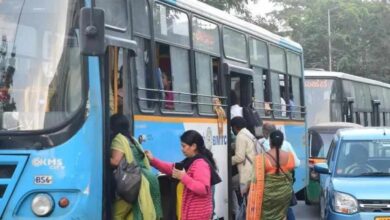
Mangaluru city currently operates government buses on 43 routes under the KSRTC Mangaluru division. The deployment of electric buses will initially cover these routes. Once in service, the new buses will allow older diesel buses to be redirected to additional routes, enhancing overall public transport coverage.
Officials note that this would not only improve accessibility for commuters but also optimize the utilization of the city’s public bus fleet. Two major prerequisites must be met for the successful operation of electric buses in the city. First, routes need to be carefully planned based on passenger demand to ensure maximum efficiency.
Second, the roads must be in good condition, as poor road quality could hinder smooth bus operations. If these conditions are met, the electric buses will operate reliably and provide a better commuting experience compared to conventional buses.
Charging infrastructure has been set up at two locations to ensure continuous operations. Overnight charging will be available at the Kuntikana depot for buses parked there, which can fully charge a bus within three hours for uninterrupted service.
For emergency or mid-day top-ups, additional charging facilities are planned at the Bijay Bus Stand. Authorities have ensured that all technical approvals and electrical connections are in place to avoid delays once the central government funds are received.
According to Darshan H.V., deputy commissioner of Dakshina Kannada, “The tendering process for 100 electric buses in Mangaluru has been completed. The buses will be deployed in two phases, and all necessary groundwork has been completed. By the end of next year, these buses will be operational for public use.”
Rajesh Shetty, Divisional Controller of KSRTC, highlighted the benefits of electric buses, saying, “Electric buses provide a cleaner and quieter alternative to conventional buses. They significantly reduce noise pollution and provide passengers with a more comfortable commuting experience. Technical approvals were necessary to ensure the buses could operate efficiently, and all measures are being implemented to achieve this goal.”
The electric bus project in Mangaluru is expected to bring a substantial improvement in urban mobility, promote environmental sustainability, and offer a modern public transport experience. Residents can look forward to cleaner, quieter, and more efficient bus services in the coming year.
Also Read: Congress leader Alim implicated in Anna Bhagya rice scam