Trump warns Iran over hormuz strait, threatens strikes on key infrastructure

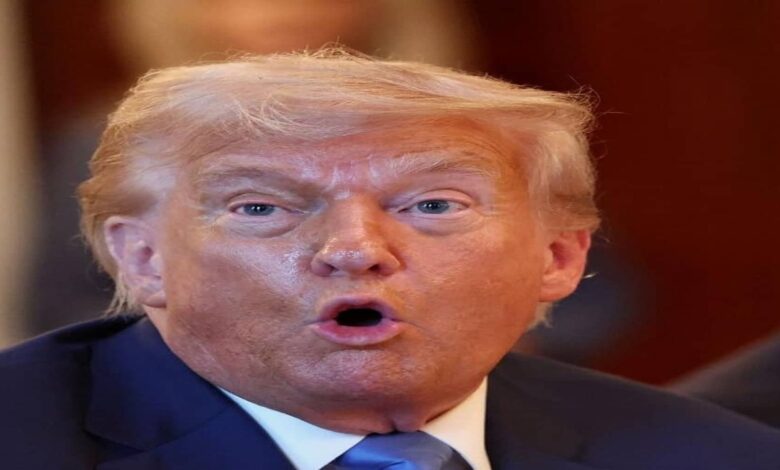
Washington, D.C.: Amid escalating tensions in West Asia, former US President Donald Trump has issued a strong warning to Iran, threatening military strikes on critical infrastructure if the strategic Strait of Hormuz is not reopened for global transit.
The Strait of Hormuz, a vital maritime chokepoint through which a significant portion of the world’s oil supply passes, has reportedly come under Iran’s tight control amid the ongoing regional conflict. This has triggered concerns of a major disruption in global energy supplies, sending shockwaves across international markets.
Trump, reiterating his earlier stance, warned that failure to ensure free navigation through the strait would result in targeted attacks on Iran’s power plants and bridges. “If the waterway is not opened, there will be consequences,” he indicated, underlining the strategic importance of uninterrupted oil flow through the region.
Previously, the US had given Iran multiple deadlines to restore normal shipping activity through the Strait. Trump had even hinted at “positive developments” during earlier rounds of communication, suggesting that diplomatic engagement was underway.


However, Iranian authorities have firmly denied any such negotiations with the United States. Officials in Tehran stated that no agreement has been reached and that they have not accepted any conditions proposed by Washington. In a sharp response, Iran warned that any act of aggression would be met with a strong and proportionate retaliation.
The rising standoff has further intensified fears of a broader military conflict in West Asia, with global powers closely monitoring the developments. Analysts believe that any disruption in the Strait of Hormuz could have far-reaching consequences for global oil prices and economic stability.
Meanwhile, in a related development, Trump confirmed that a missing US pilot has been successfully rescued after an F-15 fighter jet was reportedly shot down during operations in the region. Details surrounding the incident remain limited, but the confirmation adds another layer of tension to the already volatile situation.
The unfolding crisis underscores the fragile geopolitical balance in the Middle East and highlights the critical importance of diplomatic resolution. While military posturing continues on both sides, the international community has urged restraint to prevent further escalation.