Iran protests enter sixth day as war of words between US and Iran escalates

Tehran: Protests triggered by Iran’s worsening economic crisis have entered their sixth consecutive day, even as tensions between the United States and Iran have sharply escalated through an intense exchange of threats and counter-threats by top leaders of both countries. What began as public anger over currency collapse and rising prices has now turned into a flashpoint for geopolitical confrontation, with rhetoric between Washington and Tehran overshadowing the unrest on Iranian streets.
The protests erupted after Iran’s currency, the rial, plunged to record lows against the US dollar, further fuelling inflation and making daily essentials unaffordable for large sections of the population. Demonstrations that initially focused on economic hardship have gradually evolved into broader anti-government protests. According to reports, at least seven people have been killed and several others injured during clashes between protesters and security forces, intensifying public outrage.
Iranians know US “rescue” record well, from Iraq and Afghanistan to Gaza. Any intervening hand-nearing #Iran_Security on pretexts will be cut off with a#Regret_Inducing_Response. Iran’s national security is a #Red_Line, notmaterial for adventurist tweets.
— علی شمخانی (@alishamkhani_ir) January 2, 2026


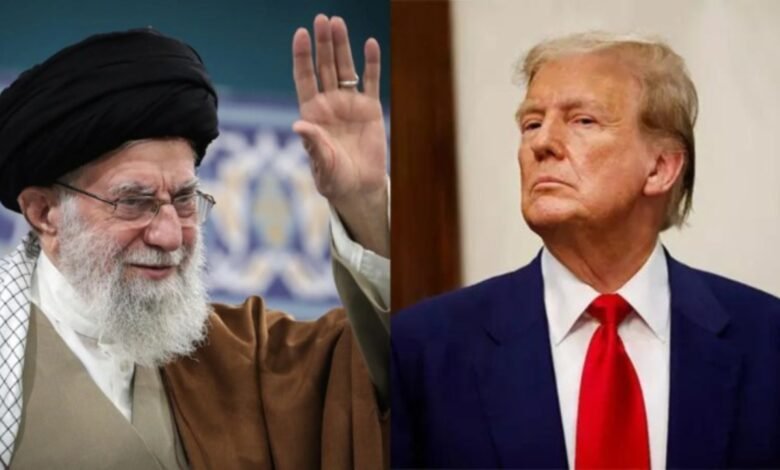
Amid the unrest, former US President Donald Trump issued a strong warning to Iranian authorities, stating that the United States would not remain silent if peaceful protesters were subjected to violence. Posting on his social media platform Truth Social, Trump said that if Iranian forces continued to “brutally kill peaceful demonstrators,” the US would be prepared to step in. “If you are ready, we are ready for war. Targets are locked, loaded, and ready to go,” Trump warned, dramatically raising the stakes.
Trump’s remarks have drawn fierce reactions from Iran’s leadership. Senior Iranian officials accused Washington of blatant interference in Iran’s internal affairs and warned of severe consequences. Ali Shamkhani, advisor to Iran’s Supreme Leader Ayatollah Ali Khamenei, said Iran’s national interests and security are “red lines” and that “any hand attempting to interfere will be cut off.” He added that Iranians are well aware of the outcomes faced by countries such as Iraq, Afghanistan and Gaza, which, he said, suffered due to American intervention.
Echoing this aggressive tone, Iran’s hardline Parliament Speaker Mohammad Bagher Ghalibaf declared that all American military bases and forces in the region would be considered “legitimate targets” if the US acted against Iran. His statement underlined Tehran’s readiness to respond militarily to any perceived provocation.
Iranian officials have also alleged that the protests are being fuelled by foreign powers. Ali Larijani, Secretary of Iran’s Supreme National Security Council, accused the US and Israel of orchestrating the unrest to destabilise the country. In a post on X (formerly Twitter), Larijani warned that American interference in Iran’s domestic issues could plunge the entire region into chaos and ultimately damage US interests. He urged American citizens to question their leadership and focus on the safety of US soldiers deployed overseas.
While the exchange of threats continues to intensify, analysts note that the core issue remains Iran’s deepening economic distress. Years of international sanctions imposed by the US and European Union, combined with internal economic mismanagement, have pushed the country into a severe crisis. Rising unemployment, inflation and currency devaluation have eroded public confidence, turning economic frustration into street-level anger.
As protests continue and diplomatic rhetoric heats up, observers warn that the situation could spiral further if restraint is not exercised. For now, the focus remains on whether the Iranian government can contain the unrest without further bloodshed, and how Washington will respond to Tehran’s warnings. Amid the escalating war of words, the fate of the protesters and the prospects for stability in the region remain uncertain.