Political Buzz Grows Over Koppal District In Charge Post as Two Karnataka Ministers Step Up Activity
Growing political speculation surrounds the Koppal district in charge ministerial post as two senior Karnataka ministers increase visits make contrasting statements and intensify discussions within Congress circles recently.

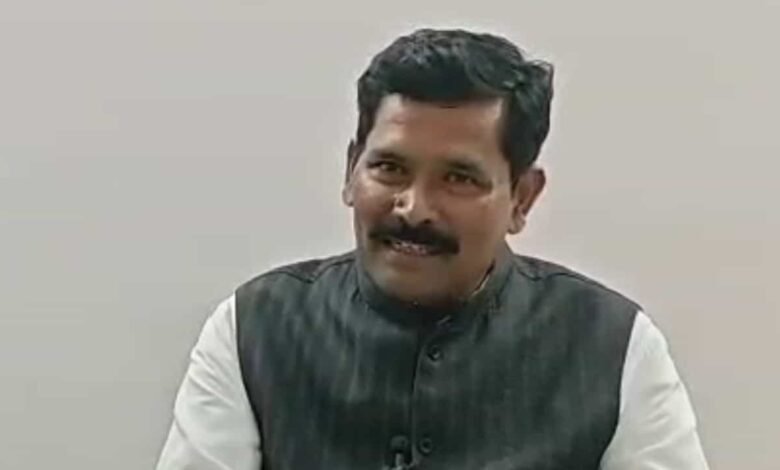
Political discussions within Karnataka’s ruling Congress have intensified following growing speculation over who will eventually be entrusted with the responsibility of serving as the district in charge minister for Koppal. Recent visits by senior ministers Basavaraj Rayareddy and Shivaraj Tangadagi, along with their public remarks, have fueled conversations that an internal contest may be developing over the influential administrative position.
Although no official announcement has been made regarding the appointment, both leaders have remained active in Koppal district in recent days. Their increased presence, particularly during drought assessment visits, has drawn attention from political observers and local party workers alike. The developments have sparked widespread debate over whether the district in charge portfolio has become a key point of interest within the Congress leadership.
The discussion gained momentum after Basavaraj Rayareddy visited several drought affected areas in the district, including Yelburga and Kukanoor. During the visit, he inspected the prevailing conditions, interacted with local officials and reviewed the impact of inadequate rainfall on agriculture and rural livelihoods. His visit was officially linked to drought assessment, but political observers believe it also highlighted his growing involvement in district level affairs.
Interestingly, Rayareddy was accompanied during parts of the inspection by fellow minister Shivaraj Tangadagi. While both leaders focused on reviewing drought related concerns, their simultaneous presence in Koppal has generated fresh political curiosity. Party workers and political analysts have interpreted the visits as more than routine administrative exercises, particularly because discussions over the district in charge responsibility have already been circulating.

Reports suggest that before beginning his field inspection, Rayareddy also interacted with several district level officials and administrative officers. These meetings have further strengthened speculation that he is taking a deeper interest in the district’s governance. Although such meetings are common during official visits, their timing has attracted considerable political attention.
The debate has also been fueled by contrasting public statements made by the two ministers regarding the importance of the district in charge minister’s role. Earlier, Rayareddy had remarked that the responsibility mainly involved chairing district development meetings and participating in ceremonial functions such as Independence Day flag hoisting. His comments were interpreted by some as suggesting that the position was largely administrative rather than politically significant.
However, Tangadagi has publicly presented a different perspective. Speaking about the importance of the post, he stated that a district in charge minister functions almost like the Chief Minister for that particular district. According to him, the responsibility extends well beyond routine meetings and ceremonial duties, requiring continuous monitoring of development projects, coordination among departments and effective communication with local representatives.
Tangadagi also responded to Rayareddy’s earlier remarks by saying he was unsure in what context those comments had been made. While acknowledging Rayareddy’s seniority in politics, Tangadagi maintained that the district in charge position carries substantial responsibility and plays a vital role in ensuring smooth administration at the district level.
Despite the apparent differences in opinion, Tangadagi emphasized that he respects Rayareddy as a senior political leader. He noted that Rayareddy had never displayed any inappropriate conduct during their interactions. At the same time, Tangadagi remarked that if Rayareddy had already been assigned drought assessment responsibilities in two districts, another district could also be allocated to him if required.
Rayareddy, meanwhile, made it clear that he has a personal connection with Koppal. He stated that he had been informed about Koppal and therefore visited the district. He also expressed his desire to remain associated with his own district, a statement that has been widely interpreted as reflecting his interest in taking on the district in charge responsibility if given the opportunity.
The role of a district in charge minister is considered politically significant in Karnataka. Such ministers coordinate between the state government and district administration, oversee implementation of development projects and monitor the progress of welfare schemes. They also review infrastructure works, conduct district level meetings and help resolve administrative issues that require state level intervention.
Because of these responsibilities, the position often carries considerable political influence. District in charge ministers maintain close interaction with elected representatives, bureaucrats and local communities, allowing them to shape developmental priorities and strengthen the government’s presence at the grassroots level.
Koppal itself holds political importance in the state’s northern region. The district has witnessed active political competition over the years, making administrative leadership and coordination especially significant. Any decision regarding the district in charge minister is therefore likely to attract attention both within the ruling party and among opposition leaders.
Political analysts believe the recent drought assessment visits have naturally placed both ministers in the public spotlight. Since drought management remains a major concern for farmers across several districts, senior ministers are expected to conduct field inspections and review relief measures. However, the coincidence of both leaders becoming increasingly active in Koppal has inevitably led to speculation regarding possible administrative appointments.
Within Congress circles, party workers continue to discuss the issue while awaiting clarity from the state leadership. Some believe the decision will ultimately depend on administrative convenience and political balance, while others view it as part of a broader strategy to strengthen governance across northern Karnataka.
So far, the Congress leadership has not officially commented on the reports or confirmed whether any decision regarding the district in charge post has been finalized. Until such an announcement is made, the discussions remain speculative, though the political interest surrounding the issue continues to grow.
Observers note that differences in public opinion between senior leaders are not unusual in politics, particularly when important administrative responsibilities are involved. What remains significant is that both ministers have publicly emphasized their commitment to serving the people and addressing pressing concerns such as drought relief and district development.
For now, attention remains focused on the state government’s next move. Whether Basavaraj Rayareddy, Shivaraj Tangadagi or another senior leader eventually receives the responsibility, the appointment is expected to play an important role in shaping administrative coordination and developmental initiatives in Koppal district over the coming months.