Bengaluru To Add 4500 Electric Buses Over The Next 18 Months
Bengaluru is set to receive 4500 new electric buses within 18 months under PM E Drive, expanding BMTC operations while supporting cleaner public transport and reducing pollution.

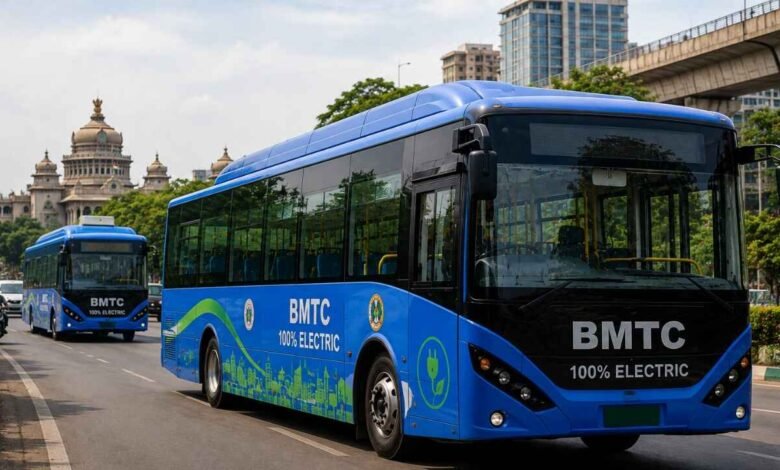
Bengaluru is preparing for a major expansion of its public transport network, with the Bangalore Metropolitan Transport Corporation set to add 4500 electric buses over the next 18 months. The new buses are being brought under the central governments PM E Drive scheme and are expected to strengthen the citys public transport system.
The Karnataka cabinet has approved the proposal to acquire the new electric buses. Once the expansion is completed, electric vehicles are expected to make up more than half of BMTCs overall fleet. The move comes as the city continues to look for ways to improve public transport while dealing with traffic congestion and air pollution.
BMTC currently operates around 7000 buses, including approximately 1700 electric buses running under the gross cost contract model. With another 4500 electric buses planned, the total fleet is expected to reach around 11000 buses after older vehicles are gradually removed from service.
The upcoming fleet will not consist of a single type of bus. The plan includes different sizes and configurations so that BMTC can deploy vehicles according to passenger demand and route requirements.

Of the 4500 new electric buses, 3500 will be 12 metre non air conditioned buses. Another 300 will be 12 metre air conditioned buses. The plan also includes 600 non air conditioned buses measuring 9 metres and 100 air conditioned buses of the same length.
This mix could allow BMTC to use larger buses on busy corridors while smaller models can serve routes where road conditions or passenger demand make compact vehicles more practical.
The buses will be supplied and maintained by private companies under the planned operating arrangement. Instead of purchasing and independently maintaining the entire fleet, BMTC will pay the private operators based on the distance covered by the buses. This model is already being used for several electric buses in the city.
The first batch of new buses is expected to reach Bengaluru roads within six months after the contracts are finalised. The remaining vehicles are expected to be introduced in stages over the following period, with the complete expansion targeted within 18 months.
The financial side of the project remains an important consideration for BMTC. While the central government is supporting the procurement of the buses, the Karnataka government is expected to provide around Rs 600 crore every year to the transport corporation.
At the same time, the increased number of electric buses will bring significant operating expenses. BMTC is expected to face an annual gap of around Rs 1000 crore from operations, which the corporation will have to manage through its own resources.
Despite the financial pressure, officials see the expansion as an important investment in Bengalurus transport infrastructure. Union Minister HD Kumaraswamy has said that the electric bus programme could help address traffic congestion and reduce pollution in the city.
The plan does not stop at adding buses. The state government is also looking at improving the infrastructure needed to operate the larger fleet. Transport Minister Bairathi Suresh has said that efforts are being considered to secure around Rs 2000 crore in central assistance for constructing new depots and upgrading existing bus stations.
The additional depots will be particularly important as BMTC prepares to handle thousands of new electric vehicles. Electric buses require suitable charging infrastructure, maintenance facilities and operational planning, making depot capacity an important part of the expansion.
For passengers, the increase in fleet size could mean more services on busy routes and better connectivity across different parts of Bengaluru. The availability of both air conditioned and non air conditioned buses also gives BMTC flexibility to match services with different routes and passenger requirements.
The electric shift is also expected to support the citys wider efforts to reduce transport related emissions. With more electric buses replacing older vehicles, Bengaluru could gradually reduce its dependence on conventional fuel powered public transport.
The success of the programme, however, will depend not only on the number of buses introduced but also on timely deployment, charging facilities, maintenance and the financial health of BMTC. If these elements move together as planned, the 4500 bus expansion could become one of the citys most significant public transport upgrades in the coming years.