Karnataka Sees Rapid Growth in Electric Two Wheelers as EV Policies Drive Adoption
Electric scooters and bikes are becoming more common across Karnataka as policy support, rising fuel costs and better charging access encourage cleaner urban travel.

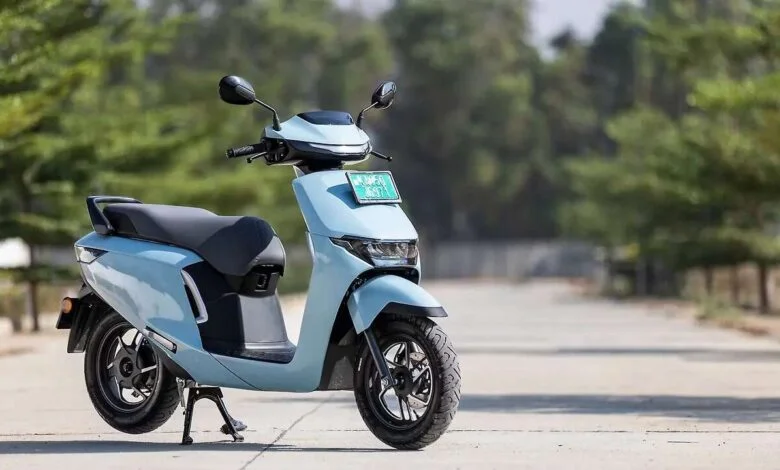
Electric scooters and motorcycles are becoming a familiar sight on Karnataka roads, with more residents choosing battery powered vehicles for everyday travel. Bengaluru, Mysuru, Hubballi and Mangaluru are among the cities where electric two wheelers are increasingly visible.
Several factors are behind the shift. Rising petrol costs, short daily commutes and growing awareness of cleaner transport are making EVs more attractive to urban riders. Government policies aimed at strengthening the electric vehicle industry are also playing an important role.
Policy push targets investment and jobs
Karnataka has positioned itself as one of the major EV manufacturing and startup hubs in India. Under its Clean Mobility Policy 2025 to 2030, the state has outlined plans to attract around ₹50,000 crore in investment and create about one lakh new jobs.


The policy also focuses on expanding charging infrastructure. The state plans to add 2,600 charging stations and develop fast charging facilities along important highways at intervals of around 50 kilometres.
EV clusters are another part of the strategy, with proposed development around Gauribidanur, Dharwad and Harohalli.
Financial support has also been included through measures such as registration and road tax benefits, along with incentives available under the PM E Drive scheme.
Why electric scooters make sense for city travel
For many urban riders, the relatively short daily commute makes an electric scooter a practical option. In cities such as Bengaluru, daily travel distances can often be manageable within the range offered by current electric two wheelers.
Running costs are another attraction. EV owners can potentially spend less on energy and routine maintenance compared with conventional petrol vehicles, although the overall savings depend on usage, electricity costs and the vehicle selected.
Battery warranty needs careful attention
The battery remains one of the most important components of an electric vehicle and can also represent a significant replacement expense. Buyers should therefore check the warranty period, coverage conditions and potential replacement cost before making a purchase.
Warranty periods vary between manufacturers, so simply looking at the headline warranty duration may not be enough. Details covering battery capacity, performance and specific exclusions can matter just as much.
Charging access is equally important
Before buying an electric scooter or bike, customers should consider where the vehicle will be charged. Having a reliable charging point at home or at the workplace can make daily ownership considerably easier.
Public charging infrastructure is expanding, but availability can still vary from one locality to another. Buyers who regularly travel outside major cities should also consider the charging network along their usual routes.
Insurance should not be overlooked
Insurance is another part of EV ownership that deserves attention. Buyers should check whether their policy provides suitable protection for the battery, electrical components and charging related damage.
Comparing different two wheeler insurance plans can help owners understand the coverage available for accidental damage, electrical issues and battery related risks. The right cover can become particularly useful when repair costs are high.
Check these points before buying an EV
A potential buyer should first compare the vehicle range with their regular daily distance. Charging arrangements, electricity costs, battery warranty and after sales service are also worth checking.
The availability of authorised service centres is particularly important for buyers outside major cities. A lower purchase price may not necessarily mean lower ownership costs if servicing and replacement parts are difficult to access.
Karnataka EV market continues to expand
According to the figures cited in the source material, electric vehicle sales in Karnataka increased nearly 17 times between FY21 and FY26. EV penetration in the state reportedly reached 13.65 percent, compared with a national average of 9.12 percent.
The state also has more than 8,600 charging stations, putting Karnataka among the leading states in charging infrastructure.
The next phase of growth could depend on how quickly charging networks reach smaller cities and towns. Falling battery costs, wider model choices and improved service support could further encourage consumers to move from petrol powered two wheelers to electric alternatives.