NHAI Sets 10 Minute Ambulance Response Deadline on National Highways
NHAI has tightened emergency response rules on national highways, requiring ambulances to reach accident sites quickly and imposing penalties for delays, rejected requests and service lapses.

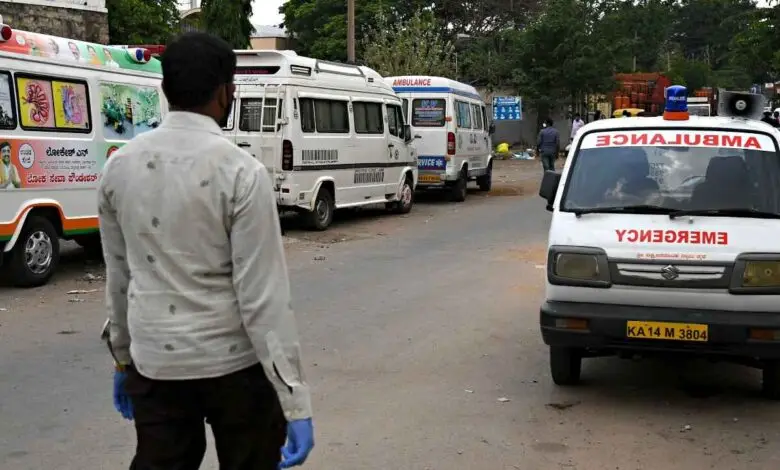
A few minutes can make a major difference after a road accident. To reduce delays in emergency assistance, the National Highways Authority of India has introduced stricter response requirements for ambulances operating on national highways.
Under the revised guidelines, an ambulance is expected to reach an accident location within 10 minutes when the site is within a 10 kilometre service radius. Operators that fail to meet the specified requirement may face a penalty of up to Rs 10,000 for each incident. The move is aimed at making highway emergency services faster and more accountable.
Golden hour gets more attention
Reaching the accident spot is only the first part of the response. The guidelines also focus on getting injured people to a nearby hospital without unnecessary delay. The broader objective is to ensure that victims receive medical attention during the critical period following a serious accident.
NHAI has been using its 1033 helpline to coordinate assistance on national highways. When an accident is reported, the call centre can create a response ticket and dispatch a nearby ambulance or other emergency assistance through its system.


Distance will be considered
The 10 minute target is linked to the distance between the ambulance location and the accident site. Where an incident occurs beyond the specified 10 kilometre range, the expected response time can be adjusted according to the distance involved.
NHAI already uses GPS and digital monitoring systems to track emergency vehicles and their response. Its ambulance service documents define response time from the point when an incident is detected and dispatched to the moment the ambulance reaches the location.
Penalties for other service failures
The new accountability measures are not limited to delayed arrivals. An emergency request that is improperly rejected can also attract a penalty. Contractors can also face action if they fail to provide the required medicines, equipment or personnel specified under their agreements.
The intention is to ensure that ambulances remain properly equipped and ready for emergencies rather than simply being available on paper.
Why the change matters
Road accidents on busy national highways can quickly turn critical when medical assistance is delayed. Earlier government recommendations had already called for highway ambulance response times to be reduced toward 10 minutes, highlighting the importance of rapid post crash medical care.
For motorists, the existing 1033 NHAI helpline remains an important way to report accidents and seek assistance on highways under NHAI jurisdiction. The call centre can coordinate with nearby emergency units after collecting information about the incident.
The latest move puts greater responsibility on ambulance operators and highway authorities to make emergency response measurable, trackable and faster. For accident victims and their families, quicker medical assistance could make a crucial difference at a time when every minute matters.