Modi’s ‘car diplomacy’ signals a new style of global engagement

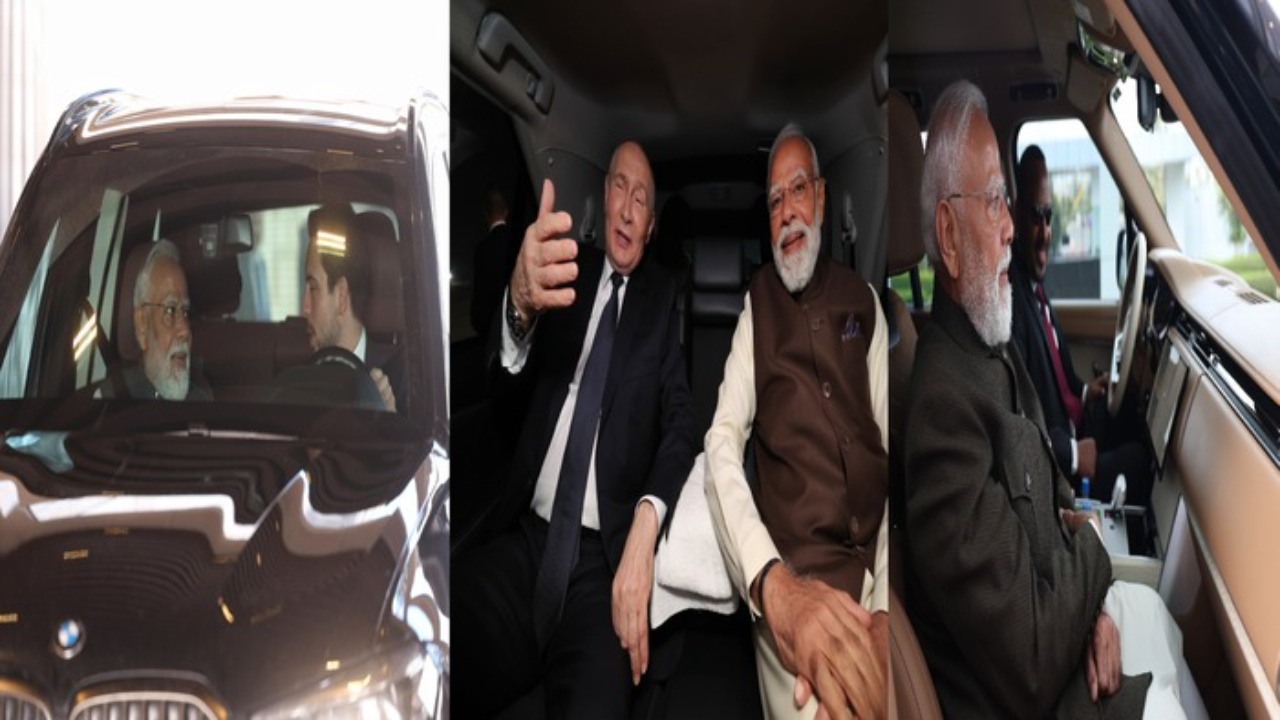
New Delhi: Prime Minister Narendra Modi’s foreign engagements often carry strong symbolism, and his recent overseas visits have once again drawn global attention for an unconventional but effective diplomatic style now being described as “car diplomacy”.
By sharing informal car rides with world leaders, Modi has been sending a subtle yet powerful message of trust, personal rapport and strategic closeness, reinforcing India’s growing stature on the global stage.
During his recent three-nation tour covering Jordan, Ethiopia and Oman, this unique form of diplomacy stood out prominently. In Ethiopia, Prime Minister Abiy Ahmed Ali personally drove Modi from the Addis Ababa airport to his hotel, an extraordinary gesture reflecting warmth and mutual respect.
For Modi, this marked his first-ever visit to the African nation, underlining India’s intent to deepen partnerships across the African continent. Bilateral discussions focused on strengthening political, economic and developmental cooperation, signalling India’s long-term commitment to Africa.

Earlier, Modi’s visit to Jordan was equally significant. It marked the first bilateral visit by an Indian Prime Minister to the country in 37 years and coincided with the 75th anniversary of India-Jordan diplomatic relations.
Jordan’s Crown Prince Hussein bin Abdullah II personally accompanied Modi in his car to a museum in Amman, a moment that quickly gained international attention. Modi later described the Crown Prince as “gracious” and “forward-looking”, reflecting the growing warmth between the two nations.
This evolving car diplomacy is not limited to the Middle East and Africa. It has also played out in India’s strategic relationship with Russia. During Russian President Vladimir Putin’s recent visit to India, Modi broke protocol by personally receiving him at the airport.
The two leaders later travelled together in a Toyota Fortuner, a moment that symbolised their close personal and strategic bond. Their informal interactions, including widely shared selfies, underscored the depth of India-Russia ties at a time of complex global geopolitics.
The roots of this approach can be traced back to the Shanghai Cooperation Organisation summit in China, where Modi and Putin travelled together in Russia’s Aurus Senat limousine. That moment sparked global commentary, highlighting India’s independent foreign policy posture and its ability to maintain strong relations across geopolitical divides.
Diplomatic experts note that Modi’s car diplomacy goes beyond optics. It reflects a conscious effort to humanise diplomacy, build personal trust and convey India’s readiness to engage as an equal partner. By stepping away from rigid protocol, Modi has positioned India as a confident, approachable and influential global player.
As India’s international influence continues to expand, this blend of symbolism and strategy appears to be reinforcing New Delhi’s message: India is not just participating in global affairs, but actively shaping them through innovative and relationship-driven diplomacy.
Also Read: CBSE Class 10 12 Exams: Important Changes for 2026 Board exams