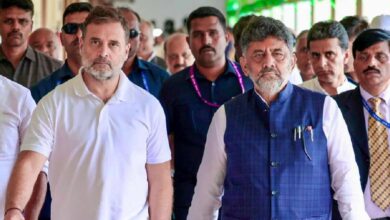
Targeting leaders backing Siddaramaiah? K N Rajanna lashes out at congress high command

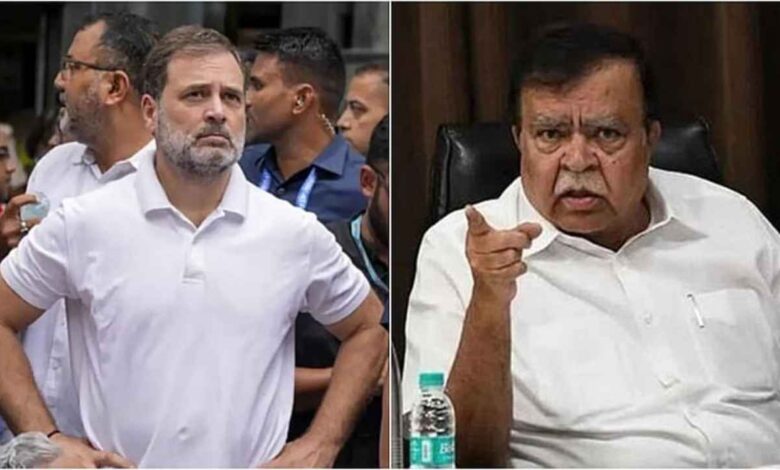
Bengaluru ;In a sharp escalation of internal dissent within the Indian National Congress in Tumakuru, former minister K N Rajanna has made a strong and controversial statement, alleging that leaders who speak in support of Chief Minister Siddaramaiah are being selectively targeted.
Reacting to the allegations, Rajanna openly criticised the party’s high command, questioning what he described as “double standards” in enforcing discipline. “Congress is said to be a disciplined party. In the past, statements were made questioning who Sadhguru is. Now, Rahul Gandhi himself is seen sitting alongside Sadhguru. Is this not a violation of discipline?” Rajanna asked, drawing attention to what he termed inconsistency in the party’s approach.
Using a Kannada proverb to underscore his point, Rajanna remarked that “there seems to be no punishment for those in power,” implying that disciplinary action is being applied selectively. His remarks are being viewed as a direct challenge to the party leadership at a time when factional tensions in the Karnataka Congress appear to be intensifying.


Rajanna further asserted that he has always remained committed to the party and has never chased power for personal gain. “I am someone who has worked for the party. I have never sought power; if responsibility comes, I accept it. Whatever position I hold, I ensure its benefits reach the poor and not for personal use,” he said, positioning himself as a grassroots नेता rather than a power-seeker.
The statement comes in the backdrop of his removal from the ministerial position, which has triggered speculation about growing internal rifts within the state unit. Political observers note that such open criticism of the high command reflects deeper unease among certain sections of the party, especially amid ongoing power struggles and leadership debates in Karnataka.
Rajanna’s remarks are likely to intensify the spotlight on internal discipline within the Congress and could further fuel discussions around factionalism, loyalty, and leadership dynamics in the state.