Ragi mudde is strength, not just food: PM Modi praises Deve gowda, calls for healthy lifestyle

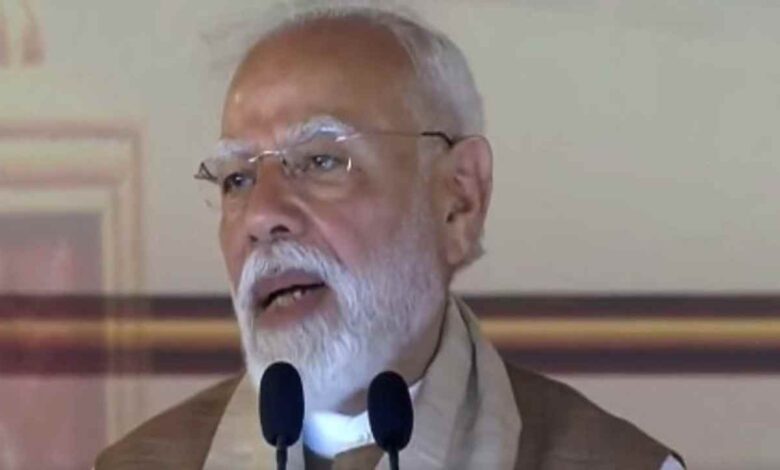
Tumakuru ; Prime Minister Narendra Modi on Wednesday highlighted the cultural and nutritional significance of traditional foods like Ragi Mudde, stating that it is “not just food, but a source of strength.” Addressing a large gathering in Mandya, he credited former Prime Minister H D Deve Gowda for popularising the dish and preserving local food traditions.
The Prime Minister was speaking after inaugurating the Sri Guru Bhairavaikya Mandir at Adichunchanagiri Math in the presence of Deve Gowda and other dignitaries. During his speech, Modi urged the youth to adopt healthier eating habits, encouraging increased consumption of millets like ragi and other nutritious grains such as navadhanya.
“Whenever I come to Karnataka, I feel inspired. This land is rich in both philosophy and technology,” Modi said, adding that visiting Mandya, often referred to as the ‘sugar bowl’ of Karnataka, made the occasion even more special. He praised the contributions of Adichunchanagiri Math, stating that the institution has been preserving India’s moral and spiritual values for centuries.

Recalling the legacy of Balagangadharanatha Swamiji, the Prime Minister said the seer was not just a spiritual leader but also a social reformer. “He understood the aspirations of rural youth and worked towards their upliftment. He showed that devotion is not about distancing from society, but about taking responsibility for it,” Modi remarked. He lauded the Math’s role in providing education, including engineering and medical opportunities, to underprivileged children, calling it a “silent educational revolution.”
Touching upon modern lifestyle concerns, Modi also spoke about rising health issues such as obesity and stressed the importance of balanced living. He advised people to incorporate yoga into their daily routine and suggested reducing edible oil consumption by at least 10 percent as a step toward better health.
In addition, the Prime Minister encouraged citizens to promote domestic tourism, maintain cleanliness, and contribute to the vision of an Atmanirbhar Bharat. His address combined cultural appreciation with a strong message on health, self-reliance, and social responsibility.
The event witnessed significant public participation, reflecting the continued influence of religious institutions and political leaders in shaping social awareness in the region.