Iran protests enter third week as violence escalates, internet blackout deepens isolation

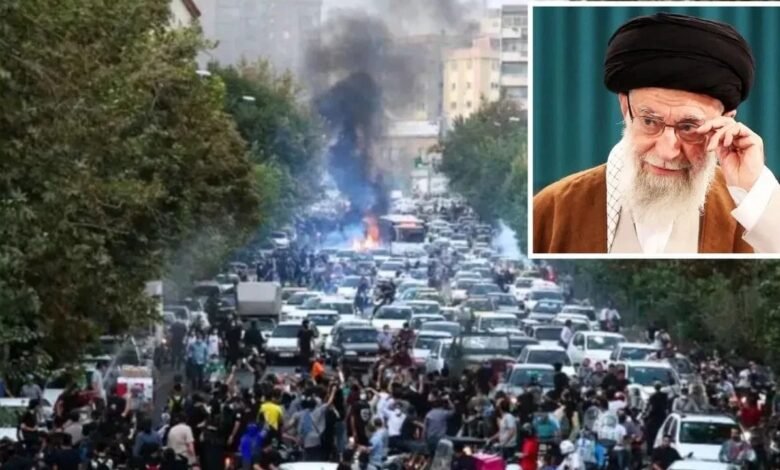
Dubai: Anti-government protests in Iran have entered their third week, showing no signs of slowing despite a heavy-handed crackdown by the authorities. Demonstrations against the Islamic Republic have spread across several cities, with protesters setting fire to government buildings in Karaj on Saturday, underscoring the growing intensity of public anger.
Even as security forces attempt to suppress the unrest, the protest movement continues to gain momentum. Iran has effectively been cut off from the outside world after authorities imposed severe restrictions on internet and telephone services. The communication blackout has made it increasingly difficult to obtain independent and verified information about developments inside the country, forcing international media and observers to rely on fragmented reports from activists and human rights organisations.
This is not one of those protests you see everywhere in the world. It’s not even just a revolution or a simple overthrow. It is about secularization in Iran, a country located in one of the most religious and radical regions of the world, the Middle East.
pic.twitter.com/9apCBc3s3M— Eternal 💎 (@Eternal_3_) January 10, 2026


According to a US-based human rights group, at least 65 people have been killed in protest-related violence so far, while more than 2,300 individuals have been arrested. Iranian state television has acknowledged that some members of the security forces have also lost their lives during clashes with demonstrators, highlighting the scale of confrontation on the streets.
Despite repeated warnings from the United States and other Western countries, Iran’s Supreme Leader Ayatollah Ali Khamenei has made it clear that the regime will not back down. In a strong message, he dismissed the protests as foreign-backed attempts to destabilise the country and vowed that the Islamic Republic would respond firmly.
Iran’s Attorney General Mohammad Movahedi Azad issued a stern warning to protesters, declaring that those participating in the demonstrations would be treated as “enemies of God” and could face the death penalty. He further warned that individuals accused of assisting or supporting what the government calls “rioters” would also be prosecuted under the same charges. The statement, broadcast on state television, has intensified fears of harsh judicial action against dissenters.
Prosecutors have reportedly been instructed to act swiftly and without leniency. Official statements emphasise the need for rapid indictments and decisive confrontation against those accused of seeking foreign influence over Iran. Rights groups have expressed serious concern that such directives could lead to mass trials and severe punishments without due process.
Meanwhile, international reaction continues to grow. US Secretary of State Marco Rubio has publicly voiced support for Iranian protesters, reaffirming Washington’s stance against the Islamic Republic’s crackdown. He called on Iranian authorities to respect the rights of their citizens and allow peaceful expression.
The protests, now spanning 13 consecutive days, have spread nationwide, with reports of demonstrators torching government offices and symbols of state authority. Adding to the political pressure, Reza Pahlavi, the exiled son of Iran’s former Shah and a vocal critic of the current regime, has urged protesters to “take control of city centres,” a call that has resonated with some sections of the opposition.
Unverified but alarming reports suggest that the violence may be far deadlier than officially acknowledged. Sources cited by international media claim that in one night alone, more than 200 protesters may have been killed by security forces. According to these reports, hospitals in Tehran received hundreds of bodies bearing gunshot wounds, raising serious allegations of excessive and indiscriminate use of force.
As Iran remains largely isolated due to communication shutdowns, the true scale of the unrest and the human cost of the crackdown remain unclear. What is evident, however, is that the confrontation between the state and its citizens has entered a critical phase, with profound implications for Iran’s political future and regional stability.