Iran escalates tensions despite ceasefire, threatens ships in Hormuz strait

Tehran: Even as the world welcomed a ceasefire announcement in the ongoing conflict involving United States, Israel and Iran, fresh developments indicate that tensions in the Middle East remain far from easing.
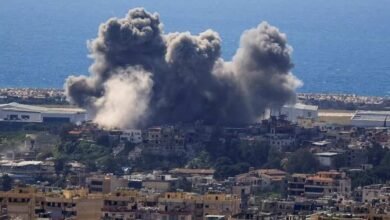
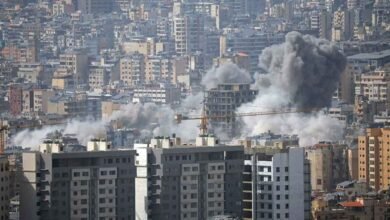
Despite the ceasefire, missile and airstrike activity continues across the region. Israeli forces have intensified attacks on Lebanon, reportedly launching nearly 100 missiles within a span of just 10 minutes. The strikes are said to have caused massive destruction, with reports suggesting at least 250 fatalities.
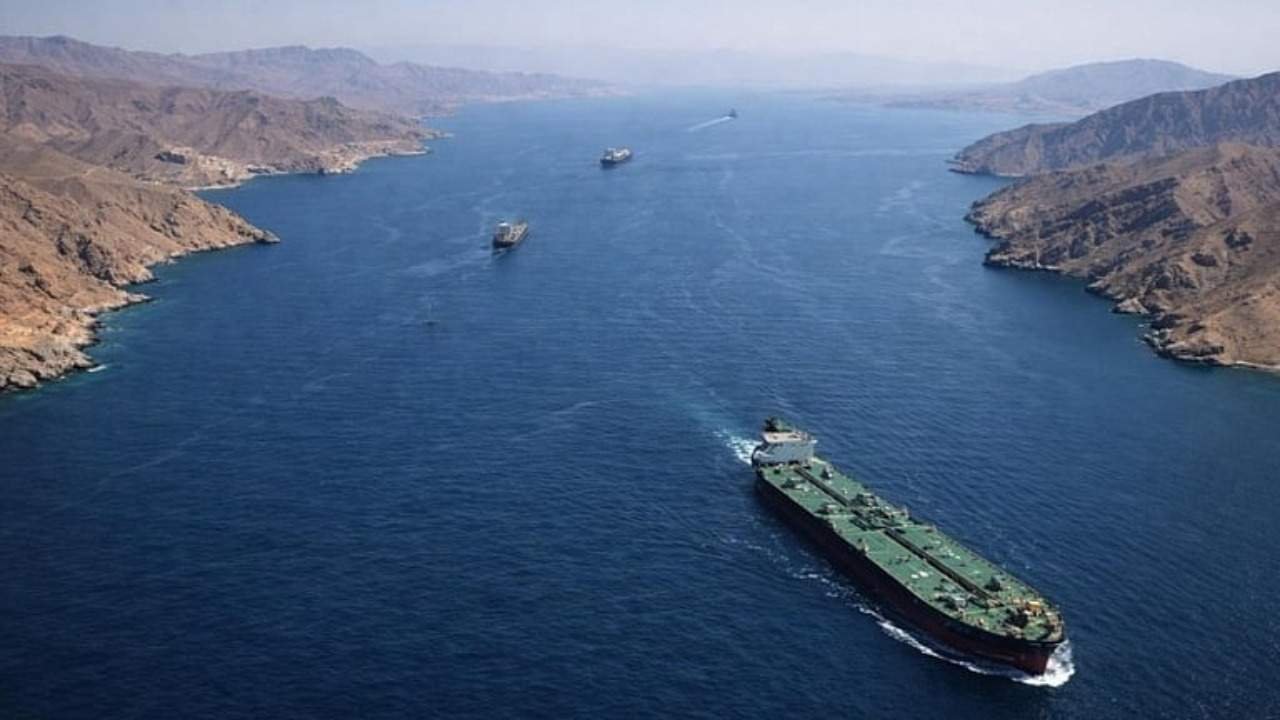
In a further escalation, Iran has issued a stern warning regarding maritime movement near the strategically critical Strait of Hormuz. On Wednesday, the Iranian Navy announced that all ships passing through the strait must obtain prior permission from Tehran.

According to a report by The Wall Street Journal, Iranian naval forces have warned via radio communication that any vessel attempting to pass through the Strait of Hormuz without approval would be targeted and destroyed.
The warning comes shortly after US President Donald Trump stated that Washington would consider pausing military action against Iran for two weeks, provided Tehran ensures the strait remains “completely, immediately, and safely” open for global shipping.
Meanwhile, the situation in the Strait of Hormuz remains tense, with reports of heavy congestion as multiple vessels remain stranded amid uncertainty. The narrow waterway, located between Iran and Oman, is just about 34 kilometers wide and serves as a crucial passage connecting the Persian Gulf to the Indian Ocean.
The strait is one of the world’s most vital النفط transit routes, handling nearly one-fifth of global oil supply along with other essential commodities, including fertilizers. Any disruption in this corridor is likely to have significant global economic implications.
With ongoing military activity, threats to international shipping, and continued hostilities in Lebanon, the situation underscores the fragility of the ceasefire and raises concerns over a potential wider regional escalation.