
RBI made big announcement: Don’t worry for due loans

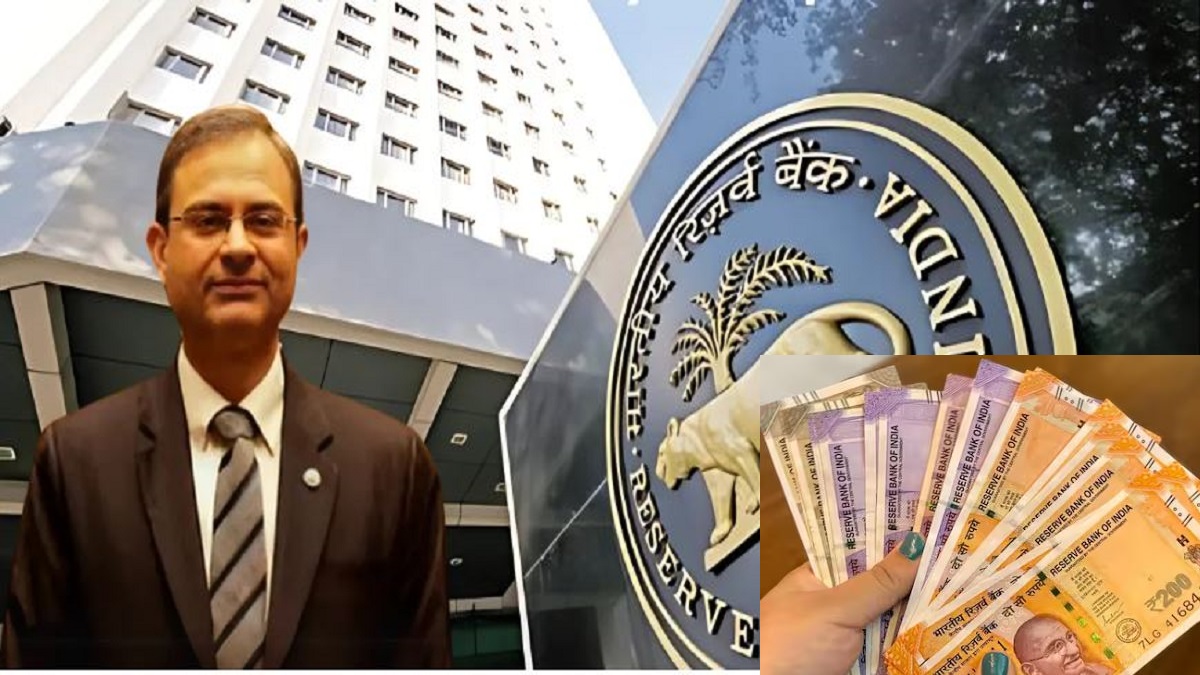
RBI Made Big Announcement: The Reserve Bank of India (RBI) has indeed brought some significant relief to borrowers regarding penal charges on late EMI payments. This is a very welcome change for customers. RBI made big announcement: Don’t worry for due loans.
The biggest change is that the RBI has barred banks and financial institutions from charging “penal interest” on overdue EMIs. Previously, lenders would often add an additional percentage to your existing interest rate if you defaulted on an EMI. Instead of penal interest, banks can now only levy “penal charges.”

Penal charges:
They are a set fee, separate from your loan’s interest rate. Crucially, these penal charges cannot be added to your principal loan amount, and no further interest can be calculated on these charges. This prevents the compounding effect that often led to a spiraling debt burden.


The RBI has emphasized that these penal charges must be “reasonable” and “commensurate” with the non-compliance of the loan contract’s material terms and conditions. They are meant to instill credit discipline, not to be a revenue-generating tool for lenders.
The structure of penal charges must be uniform across all borrowers for the same loan product, irrespective of their constitution (individual or non-individual).

Implementation Dates:
For new loans, these new guidelines came into effect from April 1, 2024. For existing loans, the switchover to the new penal charges regime was to be ensured on the next review/renewal date falling on or after April 1, 2024, but not later than June 30, 2024.
These rules apply to almost all types of loans, including personal loans, home loans, auto loans, and even business loans for individuals and Micro and Small Enterprises (MSEs). Lenders are required to clearly disclose the quantum and reason for penal charges upfront in the loan agreement and Most Important Terms & Conditions (MITC) / Key Fact Statement (KFS).
Why this is good news:
Reduced Financial Stress: Borrowers will experience less financial burden and anxiety due to the removal of punitive penal interest that could significantly increase their outstanding dues.
Fairer Practices: The RBI’s move aims to promote more equitable and transparent lending practices, ensuring that penalties are not used as a tool for revenue enhancement by lenders.
Greater Clarity: The distinction between penal interest and penal charges, along with the guidelines on their application, provides greater clarity for borrowers.
It’s important to note that while penal interest has been abolished, penal charges for late payment are still permissible. However, these charges are now more regulated and designed to be a deterrent rather than an additional source of income for banks. This is a significant step by the RBI towards a more customer-centric approach in the lending landscape.
Also Read: Karnataka Bandh: Schools, Colleges holiday on July 25!