Hivare Bazar Village Offers Reward for Finding a Mosquito
A remarkable village in Maharashtra has eliminated mosquitoes through water management and cleanliness. Once affected by poverty and drought, Hivare Bazar is now home to wealthy farmers and a model of sustainable development.

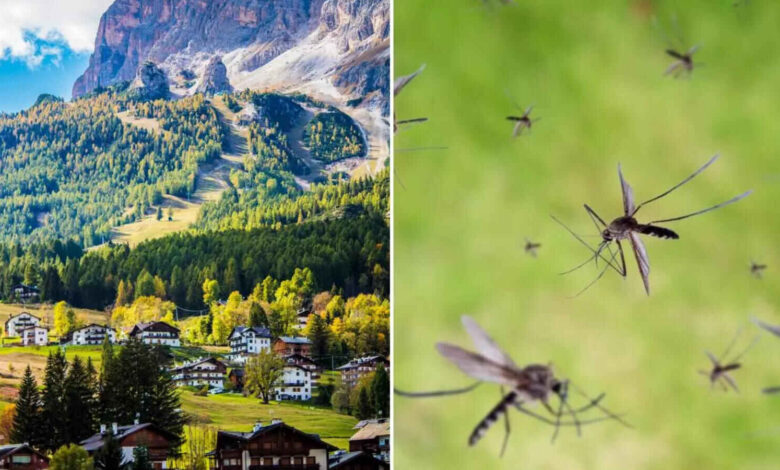
Every year, thousands of people across India suffer from mosquito bites and diseases spread by mosquitoes. However, one village in Maharashtra has achieved something extraordinary. Hivare Bazar in Ahmednagar district is completely free of mosquitoes. To prove the village’s confidence in its cleanliness, anyone who manages to find and catch a mosquito is offered a cash reward of Rs 400.
The story of Hivare Bazar is not only about eliminating mosquitoes but also about transforming an entire community. Decades ago, the village faced severe drought, water scarcity and widespread poverty. Nearly 90 percent of the residents struggled to survive, and many families were forced to leave in search of better opportunities.
A major turning point came in the early 1990s when villagers united to improve their future. They formed a joint forest management committee and began restoring the environment by planting large numbers of trees, digging wells and conserving natural resources. Residents also volunteered their labour, while government employment schemes provided additional support for development projects.
These sustained efforts significantly improved groundwater levels, which are now available at a depth of around 30 to 35 feet. Better water availability transformed agriculture and created new opportunities for local farmers.


The village also changed its farming practices to protect its water resources. Crops that require large amounts of water, such as sugarcane, paddy and maize, were avoided. Instead, farmers focused on crops like onions and potatoes, which require less water while providing better financial returns.
Today, Hivare Bazar has around 305 families, with more than 80 millionaires living in the village. Effective water conservation, environmental restoration and high standards of cleanliness have turned it into a green, prosperous and mosquito free community. The village now stands as an inspiring example of how collective effort and sustainable planning can completely change the future of a rural community.