Toothbrush Hygiene Mistakes That Could Be Exposing You to Millions of Germs
Many people focus on brushing their teeth every day but ignore toothbrush hygiene. Experts warn that poor cleaning and storage habits may allow harmful bacteria to multiply quickly.

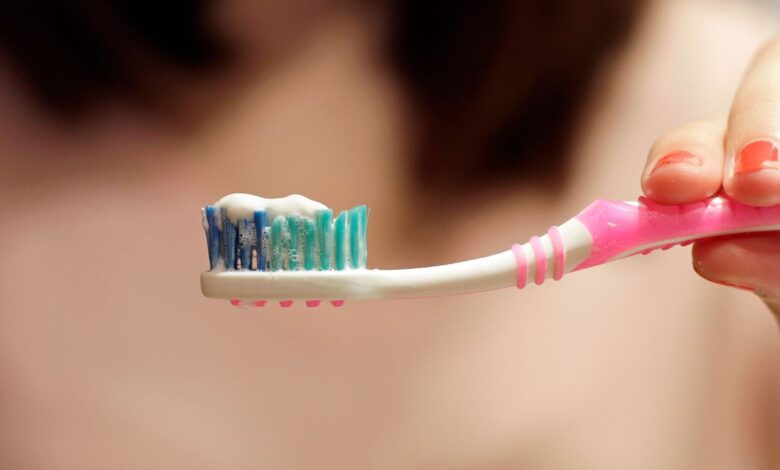
Most people begin their mornings by brushing their teeth, believing they are taking an important step toward maintaining good oral health. However, health experts say that the toothbrush itself can become a source of contamination if it is not cleaned and stored properly. A tool designed to protect teeth and gums may end up exposing the body to harmful bacteria when basic hygiene practices are overlooked.
Recent research on oral hygiene has highlighted an issue that many households rarely think about. Studies have found that toothbrushes can accumulate large numbers of bacteria over time, especially when they are not maintained correctly. This means that every brushing session could potentially reintroduce germs into the mouth rather than helping remove them.
One of the most common mistakes people make is giving the toothbrush only a quick rinse after use. Many users wash it for a few seconds and place it back in its holder without checking whether toothpaste residue, saliva, and debris have been completely removed. These particles can remain trapped between the bristles and create an environment where microorganisms thrive.
Another frequently ignored area is the toothbrush handle. While most people focus on cleaning the bristles, the handle also comes into contact with hands, water splashes, and bacteria from the surrounding environment. Over time, germs can accumulate on the handle and eventually transfer back to the user during brushing.


Storage habits also play a major role in toothbrush hygiene. Leaving a toothbrush uncovered near a wash basin or sink may seem harmless, but bathrooms often contain moisture and airborne particles that encourage bacterial growth. Germs can easily settle on exposed toothbrushes, especially in shared spaces where multiple people use the same area throughout the day.
Health specialists recommend a few simple practices to reduce these risks. After every use, the toothbrush should be rinsed thoroughly under running water while gently rubbing the bristles to remove any remaining toothpaste or debris. The handle should also be cleaned during this process rather than being ignored.
Proper drying is equally important. Experts suggest shaking off excess water and storing the toothbrush upright in a well ventilated area. A dry environment makes it harder for bacteria to multiply. Using a protective cover can offer additional protection, provided the brush is allowed to dry first.
For added hygiene, toothbrushes can be sanitized periodically. Some dental professionals recommend soaking the brush in an antibacterial mouthwash for a short period or placing it in warm water occasionally. These steps can help reduce bacterial buildup and improve overall cleanliness.
Researchers emphasize that oral hygiene is not limited to brushing alone. The condition of the toothbrush is just as important as the act of brushing itself. Maintaining a clean toothbrush can help lower the risk of unwanted bacterial exposure and support better dental health in the long run.
As awareness about personal hygiene continues to grow, experts encourage people to pay closer attention to the tools they use every day. A few simple changes in toothbrush care can make a significant difference in protecting oral health and preventing the spread of harmful germs.