Simple Kitchen Secrets for Perfect Puffy Puris Every Time
From choosing the right kadai to using the correct amount of oil, these practical tips can help home cooks prepare perfectly puffed puris with better texture and taste.

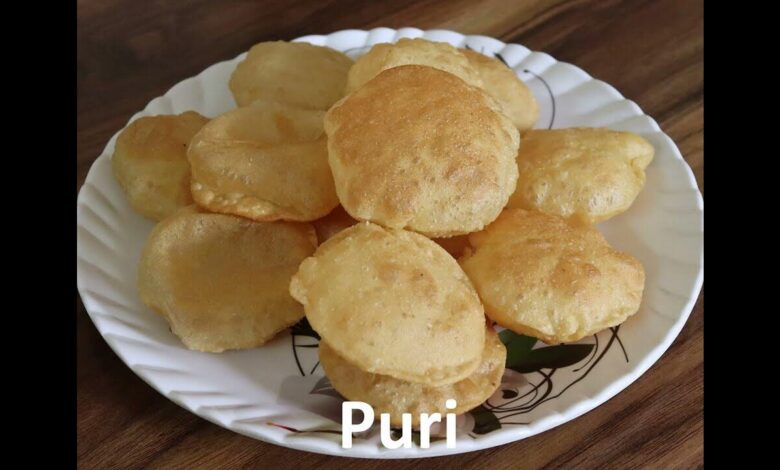
Puri remains one of the most loved dishes served during festive gatherings, family celebrations and special weekend breakfasts. Whether paired with potato curry, tomato chutney or even spicy chicken dishes, hot and fluffy puris continue to be a favourite across households. Yet many home cooks often face common problems such as puris failing to puff properly or absorbing too much oil during frying.
Cooking experts say that achieving restaurant style puris at home is not complicated if a few important details are followed carefully. The choice of cooking vessel, oil quantity and frying temperature can make a significant difference to the final result.
One of the most common questions people ask is how much oil is required for frying a batch of puris. For around 20 medium sized puris, approximately 250 to 300 millilitres of oil is generally sufficient. While this may seem like a large amount, most of the oil remains in the kadai during frying. Each puri typically absorbs only a small quantity when fried at the correct temperature.
The secret behind beautifully puffed puris lies in deep frying. The dough should be completely surrounded by hot oil as soon as it enters the kadai. When the oil is sufficiently heated, the puri quickly rises to the surface and expands evenly, creating the soft and airy texture that many people enjoy.


Another important factor is selecting the right kadai. Experienced cooks often recommend thick iron or aluminium kadais for deep frying. These materials retain heat effectively and distribute it evenly, helping maintain a stable oil temperature throughout the cooking process. Consistent heat allows every puri to cook evenly and puff up without becoming greasy.
Iron kadais are especially popular because they hold heat for a longer period. Even when several puris are fried one after another, the oil temperature remains relatively stable. This helps prevent uneven cooking and reduces the chances of puris soaking up excess oil.
Many cooking enthusiasts advise against using non stick cookware for deep frying. Non stick pans generally do not retain high heat as effectively as iron or aluminium cookware. As a result, the oil can cool down more quickly, causing the puris to absorb more oil and lose their light texture.
Proper oil temperature also plays a major role. If the oil is too cool, the puris may turn oily and fail to puff. If it is excessively hot, they can brown too quickly while remaining undercooked inside. Maintaining a steady medium high temperature ensures the best results.
For families preparing puris during celebrations or weekend breakfasts, these small adjustments can make a noticeable difference. Using a thick kadai, maintaining the right oil level and frying at the correct temperature can help create perfectly puffed puris that look appealing and taste just like those served in restaurants.
With a little attention to technique, home cooks can turn a simple breakfast dish into a memorable meal that everyone at the table will enjoy.