Davangere Durgambika Temple Bell Holds A Unique Place In Local Beliefs
Davangere Durgambika Temple is known for its giant sacred bell, which devotees traditionally approach during disputes, reflecting a deep local belief in truth, faith and divine justice.

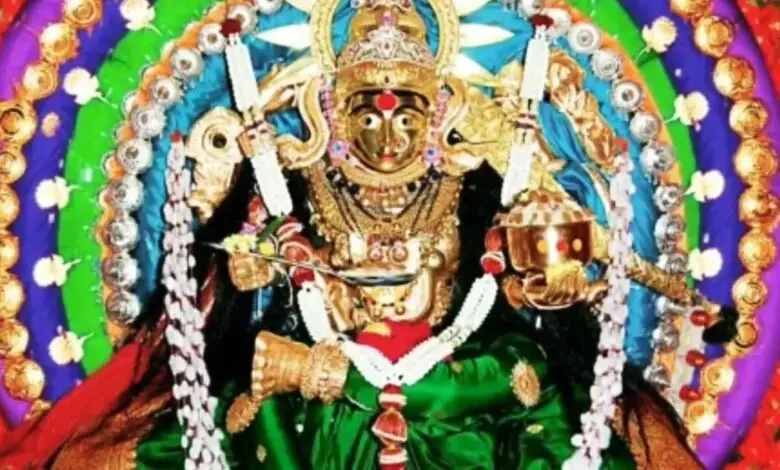
Davangere may have grown rapidly as a commercial city, but several traditions connected with its temples continue to remain deeply rooted in the lives of local people. One of the most unusual beliefs is associated with the famous Durgambika Temple and its large bell.
For generations, people in the city have regarded the temple bell as more than an object used during worship. It has become closely associated with truth and justice in local belief. When disputes arise over money, property or family matters, some people are traditionally challenged to come before the deity and ring the large bell if they are confident that their version of events is true.
The practice has given the bell a special place in the city’s folklore. A common challenge among people involved in a dispute is to ask the other person to come before Goddess Durgambika and ring the bell while standing by their claim. The belief behind the tradition is simple. A person who knows that they are telling the truth can approach the bell without fear, while someone deliberately making a false claim may hesitate because of the religious belief surrounding it.
The tradition is not part of any formal court process. Instead, it is a faith based practice that has survived through generations. For many devotees, the significance of the bell comes from their personal belief in the goddess rather than from any official religious or legal procedure.


The temple itself has several bells used by devotees during regular worship. Around 18 smaller bells are present in the temple premises and are commonly used during prayers. The large bell at the main entrance, however, has developed a different reputation because of its connection with disputes and the belief in divine judgment.
According to local tradition, people involved in disagreements may privately decide to use the bell to affirm their claims. The temple authorities and priests may not necessarily know when someone has decided to do so. It is generally considered a personal act between the people involved in the dispute.
Money related disagreements are among the situations often mentioned in connection with the practice. For example, if two people disagree over the repayment of a loan, each person may insist that their account is correct. In local belief, the person who is confident about the truth of their claim can approach the bell and seek the goddess’s witness.
Property disputes and disagreements between couples are also said to be among the matters that have traditionally been linked with this belief. Before approaching the police or a court, some people may turn towards their faith and attempt to settle their doubts through the temple tradition.
There are also several unwritten customs associated with approaching the large bell. Because the practice is based on faith and local belief, people treat it with considerable seriousness. Some devotees believe that deliberately making a false claim before the goddess could invite trouble. This belief has helped the tradition remain powerful in local conversations even as the city has modernised.
The temple is also associated with other forms of devotion. Devotees visit the premises to fulfil vows made for various reasons, including prayers for the wellbeing of family members and children. Regular worship takes place twice a day, attracting people who come to offer prayers and seek blessings.
Another interesting tradition linked to the temple involves prayers for rain. During periods when rainfall is inadequate, a local market is organised within the temple premises on several Sundays. The practice is intended as a prayer for rain, and the market also gives people an opportunity to visit the temple.
A similar weekly market is held in the KR Pete area of Davangere. On certain occasions, the market tradition is organised within the temple premises for five Sundays. The activity has reportedly been supported by the city corporation, and people visiting the market also take the opportunity to offer prayers at the temple.
Local believers point to instances when rain followed such activities, further strengthening their faith in the tradition. Whether viewed as religious practice, local folklore or a part of Davangere’s cultural identity, these customs continue to attract attention.
The story of the Durgambika Temple bell is ultimately less about proving a case in a legal sense and more about the power of belief. Modern Davangere has changed considerably, yet traditions such as this continue to occupy a place in everyday conversations.
For people familiar with the city’s culture, the large bell has become a symbol of accountability and faith. Its story has been passed from one generation to another, keeping alive a distinctive tradition surrounding Goddess Durgambika.
While disputes today are normally settled through legal and official channels, the temple bell remains an important part of local belief. Its reputation as a symbol of truth shows how religious traditions and community folklore can continue to survive alongside the rapid development of a modern city.