Decline in migratory birds to Mysuru region raises concern among experts

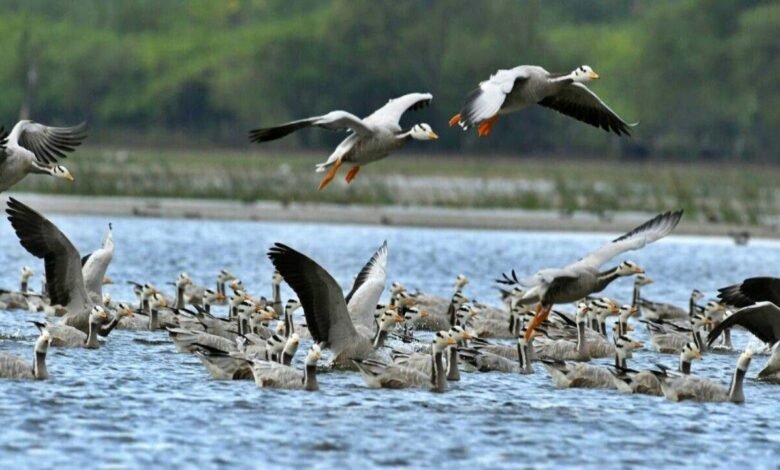
Mysuru: The number of migratory birds arriving in the Mysuru region during the winter season has been steadily declining, triggering serious concern among bird experts and conservationists. Traditionally, thousands of birds from extremely cold regions such as Siberia, Europe and Central Asia would cross the Himalayan ranges and travel thousands of kilometres to reach the lakes, wetlands, bird sanctuaries and reservoirs of Mysuru in search of food and favourable climate. However, experts say this annual phenomenon is now weakening year after year.
Bird specialists attribute the decline primarily to climate change, along with rapid urbanisation and developmental activities that have altered or destroyed natural water bodies. Lakes and tanks that once provided ideal feeding and nesting grounds are shrinking or disappearing, directly impacting migratory patterns.
Explaining the changing trends, Shivaprakash, who has been studying migratory birds for over three decades, said recent bird census data clearly indicates a fall in overall numbers. “In January 2025, a one-day census conducted across 110 lakes over 15 days recorded 224 bird species. Of these, 157 were resident species and 67 were migratory species. A total of 31,005 birds were counted,” he said.

In contrast, during January 2024, a similar census across the same 110 locations recorded 226 species, including more than 67 migratory species, with the total bird count exceeding 40,000. “The sharp drop in numbers within a year is worrying. In January 2026, we have formed 18 teams to conduct bird counts across more than 100 lakes and reservoirs till January 18 to closely monitor the trend,” Shivaprakash added.
According to experts, species such as the Bar-headed Goose, Barn Swallow, Cattle Egret, Stilt-billed Wader and the European Coot were once commonly sighted in areas like Kukkarahalli Lake, Ranganathittu Bird Sanctuary, Hadinaru Lake, Kabini backwaters and Nagar reservoir. While some of these species are still present, their population density has noticeably declined.
Renowned wildlife photographer Madhusudan, who has been photographing birds for over 28 years and has received international recognition, blamed unregulated development for the situation. “Earlier, migratory birds found abundant food and undisturbed habitats here. Now, activities such as boating in lakes, increased fishing and conversion of surrounding agricultural lands in the name of development have made these ecosystems hostile for birds,” he said.
Bird expert Renupriyadarshini pointed out that migratory birds usually move to warmer regions with their chicks during peak winter months. “Earlier, nearly 80 species of migratory birds visited the Mysuru region. Today, many lakes and tanks have vanished due to development, and climate change has further disrupted migration cycles. Rising temperatures in traditional breeding and feeding zones may also be altering their routes,” she explained.
Experts warn that if wetland conservation is not prioritised, Mysuru may lose its status as a key wintering ground for migratory birds. They have urged authorities to protect lakes, regulate tourism and boating activities, and restore degraded water bodies to ensure the survival of these seasonal visitors and maintain ecological balance.