Samsung Galaxy F70 Pro 5G vs OnePlus N6 vs Poco M8 5G Which Smartphone Offers the Best Value
Samsung Galaxy F70 Pro 5G OnePlus N6 and Poco M8 5G compete with powerful processors fast charging capable cameras and premium displays making smartphone buying decisions more competitive.

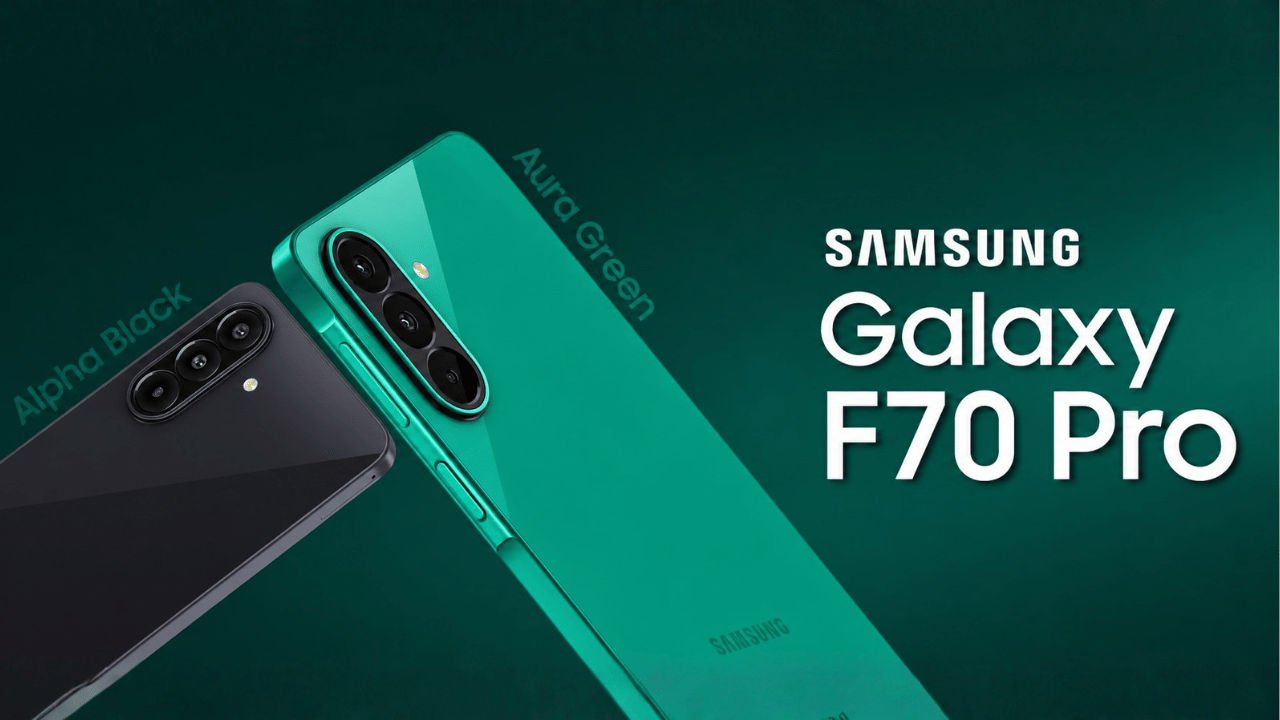
Choosing a new smartphone has become more challenging than ever as brands continue to introduce feature packed devices in the mid range segment. Samsung recently expanded its portfolio with the launch of the Galaxy F70 Pro 5G, a smartphone designed to compete directly with rivals like the OnePlus N6 and Poco M8 5G. All three devices target buyers looking for premium specifications without entering the flagship price category, but each phone focuses on different strengths.
Whether buyers prioritize display quality, camera performance, battery life or software experience, these smartphones offer compelling options. A closer comparison of their specifications reveals important differences that could influence purchasing decisions depending on individual needs and usage patterns.
Samsung has positioned the Galaxy F70 Pro 5G as a feature rich smartphone with long term software support, while OnePlus emphasizes battery endurance and smooth performance. Poco, on the other hand, aims to attract users with premium display technology and aggressive pricing. Understanding what each device offers helps determine which model delivers the best overall value.
The Samsung Galaxy F70 Pro 5G starts at Rs 25999 for the 6GB RAM and 128GB storage variant. Customers looking for more memory can opt for the 8GB RAM and 128GB version priced at Rs 29999, while the top end 8GB RAM and 256GB storage model costs Rs 34999.

OnePlus N6 is available at a slightly lower price. The base model with 4GB RAM and 128GB storage is priced at Rs 22999, while the 6GB RAM and 128GB version costs Rs 24999.
Poco M8 5G is the most affordable among the three. The 6GB RAM and 128GB storage model starts at Rs 21999. The 8GB RAM and 128GB version is priced at Rs 22999, while the highest 8GB RAM and 256GB storage variant is available for Rs 24999. Buyers focused on affordability will find the Poco model particularly attractive.
Display quality has become one of the most important deciding factors when purchasing a smartphone, and all three brands have taken different approaches.
Samsung equips the Galaxy F70 Pro 5G with a 6.7 inch Full HD Plus Super AMOLED display supporting a 120Hz refresh rate. AMOLED technology provides deeper blacks, vibrant colours and better contrast, making it ideal for watching videos, gaming and everyday use.
OnePlus N6 features a 6.75 inch HD Plus LCD display with a resolution of 1570 x 720 pixels. It also supports a 120Hz refresh rate and offers peak brightness of 1200 nits. While smooth scrolling is available, the lower resolution and LCD panel may not deliver the same visual quality as AMOLED displays.
Poco M8 5G stands out by offering a 6.77 inch 3D curved AMOLED display with Full HD Plus resolution. The screen supports a 120Hz refresh rate and reaches up to 3200 nits of peak brightness, making it one of the brightest displays in this comparison. Users who spend significant time outdoors or consume multimedia content may appreciate this advantage.
Performance remains another crucial factor, especially for multitasking, gaming and long term usage.
Samsung Galaxy F70 Pro 5G is powered by Qualcomm Snapdragon 6 Gen 3, delivering balanced performance for everyday applications as well as moderate gaming. The chipset is paired with Samsung software optimizations that aim to provide stable performance throughout daily use.
OnePlus N6 uses the MediaTek Dimensity 6360 Apex processor. The chipset focuses on efficient multitasking and smooth application performance while maintaining good power efficiency.
Poco M8 5G also relies on Qualcomm Snapdragon 6 Gen 3, offering similar processing capabilities to Samsung’s device. Performance differences between these two smartphones are expected to depend more on software optimization than raw hardware.
Software support often determines how long a smartphone remains useful after purchase.
Samsung Galaxy F70 Pro 5G runs Android 16 with One UI 8.5. Samsung has also promised six years of operating system updates along with six years of security patches. This extended software commitment makes the device particularly attractive for buyers planning to keep their phones for several years.
OnePlus N6 ships with Android 16 based OxygenOS 16, known for its clean interface and smooth user experience.
Poco M8 5G runs Android 15 based HyperOS 2. While it offers Xiaomi’s latest interface, buyers who value longer software support may find Samsung’s update policy more reassuring.
Camera capabilities also differ across the three smartphones.
Samsung Galaxy F70 Pro 5G includes a triple rear camera setup consisting of a 50 megapixel primary sensor with Optical Image Stabilization, a 5 megapixel ultra wide camera and a 2 megapixel macro camera. The inclusion of OIS improves image stability, especially in low light conditions.
OnePlus N6 adopts a simpler approach with a single 50 megapixel rear camera featuring an f 1.8 aperture. While fewer camera sensors reduce versatility, the primary camera is expected to deliver good image quality for regular photography.
Poco M8 5G features a dual rear camera setup with a 50 megapixel primary sensor accompanied by a 2 megapixel secondary sensor. Although it lacks an ultra wide camera, it still provides capable everyday photography.
Front camera performance also varies significantly.
Samsung offers a 12 megapixel HDR enabled front camera for selfies and video calls. HDR support helps improve dynamic range in different lighting conditions.
OnePlus N6 includes an 8 megapixel selfie camera with an f 2.0 aperture, suitable for standard selfies and video calling.
Poco M8 5G provides the highest front camera resolution among the three with a 20 megapixel sensor. Users who frequently capture selfies or create social media content may find this an appealing advantage.
Battery capacity remains one of the biggest differences in this comparison.
Samsung Galaxy F70 Pro 5G packs a 6000mAh battery supporting 45W wired fast charging. The combination delivers reliable all day performance along with quick recharge times.
OnePlus N6 takes battery endurance to another level by including a massive 8000mAh battery while maintaining support for 45W fast charging. Users who prioritize extended battery life may consider this its strongest selling point.
Poco M8 5G houses a 5520mAh battery with support for 45W wired fast charging. While the battery capacity is lower than its rivals, it still promises comfortable full day usage for most users.
Each smartphone appeals to a different category of buyers. Samsung Galaxy F70 Pro 5G focuses on software longevity, balanced performance, premium AMOLED display and versatile cameras. OnePlus N6 delivers exceptional battery capacity and a clean software experience for users seeking endurance above everything else. Poco M8 5G offers one of the brightest AMOLED displays in its segment along with competitive pricing, making it an attractive value focused choice.
Ultimately, buyers who value long term updates and a well rounded feature set may lean toward Samsung. Those who need outstanding battery backup could prefer the OnePlus N6, while users seeking maximum value with an impressive display and competitive specifications may find Poco M8 5G the most appealing option.