Karnataka to Challenge Tamil Nadu Supreme Court Plea Over Cauvery Water Release
Karnataka government plans legal response after Tamil Nadu approached the Supreme Court alleging non compliance with Cauvery water release directions amid continuing interstate river water dispute this season.


The long standing Cauvery river water dispute has once again entered a crucial legal phase, with the Karnataka government preparing to challenge a petition filed by Tamil Nadu before the Supreme Court. Karnataka Water Resources Minister Ramalinga Reddy has instructed officials and legal advisers to contest the application, arguing that the state’s position and present reservoir conditions should be properly represented before the country’s highest court.
The latest development comes amid continuing disagreements between Karnataka and Tamil Nadu over the implementation of directions issued by the Cauvery Water Management Authority and the Cauvery Water Regulation Committee. Water sharing between the two neighbouring states has remained one of the most sensitive interstate issues for decades, with every monsoon season bringing renewed debates over reservoir levels, rainfall patterns and mandatory water releases.
According to the Karnataka government, legal preparations have already begun after Tamil Nadu approached the Supreme Court alleging that Karnataka failed to comply with the directions issued by the Cauvery authorities. Minister Ramalinga Reddy said officials have been instructed to prepare a detailed response and file an appropriate challenge against the petition.
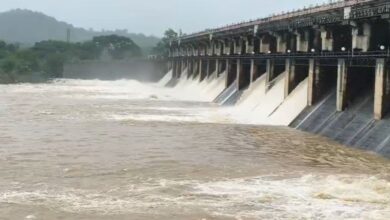
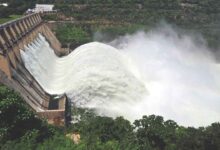
The minister maintained that Karnataka’s reservoirs are currently holding sufficient water and that excess inflows are already moving downstream toward Tamil Nadu. He indicated that the state government would present these facts before the Supreme Court while defending its position regarding water management and reservoir operations.

The dispute intensified after Tamil Nadu alleged that Karnataka had not released the quantity of water directed by the Cauvery Water Regulation Committee despite official orders. Tamil Nadu authorities have argued that Karnataka failed to meet its mandatory obligations during the specified period, prompting the state government to seek judicial intervention.
Earlier, Tamil Nadu Chief Minister C Joseph Vijay reportedly directed state officials to approach the Supreme Court after claiming that Karnataka had not complied with the directions issued by both the Cauvery Water Management Authority and the Cauvery Water Regulation Committee. Tamil Nadu believes the directions issued by the statutory bodies should be implemented without delay to protect irrigation requirements in the downstream state.
During its 139th meeting held on July 28, the Cauvery Water Regulation Committee reviewed rainfall conditions and the hydrological situation across the Cauvery basin. Following its assessment, the committee directed Karnataka to ensure the release of 3500 cusecs of water at Biligundlu by discharging water from the Krishna Raja Sagara and Kabini reservoirs between July 29 and August 12.
The recommendation was subsequently approved during the emergency meeting of the Cauvery Water Management Authority held on July 30. Tamil Nadu has relied on these official directions while claiming that Karnataka did not comply with the prescribed release schedule.
According to Tamil Nadu, the actual inflow recorded at Biligundlu between July 29 and August 2 ranged only between 158 and 550 cusecs. The state has argued that these figures were significantly lower than the quantity directed by the Cauvery authorities, thereby amounting to non compliance with the official order.
Tamil Nadu has also cited reservoir storage data while presenting its arguments. As of August 2026, it claimed that Karnataka’s major reservoirs collectively held substantial water reserves. The figures included approximately 23.078 TMC in the Krishna Raja Sagara reservoir, 18.610 TMC in Kabini, 7.827 TMC in Harangi and 28.022 TMC in Hemavathi. Together, these reservoirs reportedly contained a total storage of 77.537 TMC, of which 67.517 TMC was considered usable storage.
Based on these figures, Tamil Nadu has argued that Karnataka possesses sufficient water to release its allocated share without affecting its own requirements. The downstream state contends that the available storage demonstrates Karnataka’s ability to comply with the directives issued by the Cauvery authorities.
Karnataka, however, is expected to present a different interpretation of the situation before the Supreme Court. Officials are likely to highlight rainfall variations, reservoir management requirements, irrigation commitments within the state and other technical factors that influence water releases during the monsoon season.
Minister Ramalinga Reddy’s remarks suggest that Karnataka intends to defend its water management decisions by placing current reservoir conditions and operational realities before the court. The government believes its position deserves careful consideration before any conclusions are reached regarding compliance with the authority’s directions.
The Cauvery dispute has historically involved complex legal, technical and administrative questions. Rainfall distribution across the basin often differs significantly between upstream and downstream regions, making reservoir management a challenging exercise. Water releases are influenced not only by storage levels but also by future rainfall forecasts, agricultural demand, drinking water requirements and reservoir safety considerations.
Over the years, several judicial orders, tribunal awards and institutional mechanisms have attempted to establish a structured framework for sharing Cauvery waters between Karnataka and Tamil Nadu. The Cauvery Water Management Authority and the Cauvery Water Regulation Committee were established to oversee implementation and monitor compliance with water sharing arrangements.
Despite these institutional mechanisms, disagreements continue to arise whenever rainfall patterns fluctuate or reservoir storage differs from expected levels. Such disputes frequently lead to fresh legal proceedings before the Supreme Court, particularly during years when both states face competing irrigation and drinking water demands.
Legal experts note that the Supreme Court will likely examine technical reports, hydrological data, reservoir storage figures and compliance records before considering the arguments presented by both governments. The outcome may also depend on updated rainfall assessments and the prevailing water situation during the hearing.
The latest legal battle reflects the continuing challenges involved in managing one of southern India’s most important interstate river systems. With agriculture, drinking water supply and reservoir operations directly linked to Cauvery water availability, every decision carries significant implications for millions of people in both Karnataka and Tamil Nadu.
As Karnataka prepares its legal response and Tamil Nadu pursues its petition before the Supreme Court, attention will remain focused on how the court interprets the authority’s directions and whether further instructions are issued regarding immediate water releases. The case is expected to play a crucial role in shaping the next phase of the ongoing Cauvery water sharing dispute.