Large Cash Deposits? These Bank Transactions May Attract Income Tax Notice
Banks and financial institutions report certain high-value transactions under regulatory requirements, allowing tax authorities to verify whether an individual's financial activity matches their declared income.

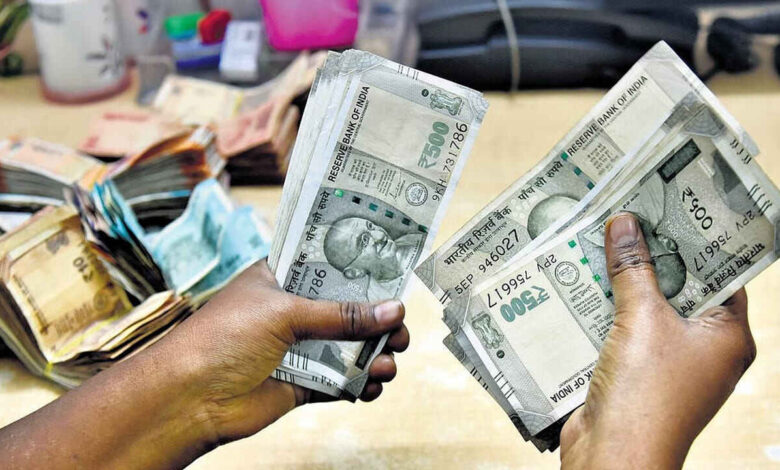
Financial transactions involving large amounts are subject to reporting requirements under India’s tax regulations. While such transactions are not illegal, banks and other financial institutions may be required to share details of specified high-value activities with the Income Tax Department.
One of the most common reporting categories involves cash transactions in savings accounts. If cash deposits or withdrawals cross the prescribed reporting threshold during a financial year, the bank may submit the transaction details to the tax authorities for information purposes.
Similarly, large fixed deposits, significant purchases of mutual funds, shares, bonds, and debentures, as well as certain property transactions, may also fall within the reporting framework established under tax rules.
Cash payments above specified limits for goods or services, along with high-value credit card payments, can also become part of the financial information available to tax authorities. These reports help verify whether spending patterns are consistent with the taxpayer’s declared income.


It is important to note that a reported transaction does not automatically result in a tax notice. However, if the reported financial activity appears inconsistent with the individual’s income or tax filings, the department may seek clarification or supporting documents.
Financial planners recommend maintaining transparent records, filing income tax returns accurately, and ensuring that major financial transactions are supported by legitimate sources of income. Proper documentation can help taxpayers respond easily if any clarification is requested by the authorities.