Karnataka Records Second Highest Rabies Deaths in India Despite Drop in Cases
Rabies cases in Karnataka have declined sharply over the past three years, but deaths have risen significantly, raising serious concerns over timely treatment, vaccine access, and public awareness across the state.

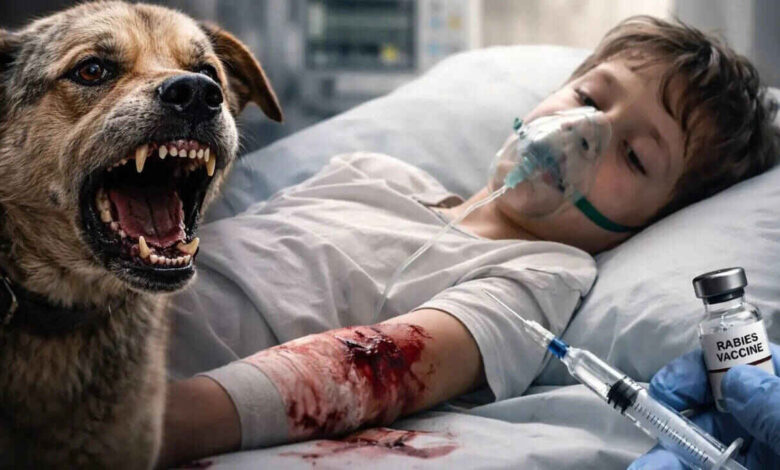
Karnataka has emerged as the state with the second highest number of rabies related deaths in India, even as the number of reported human rabies cases continues to decline. The contrasting trend has raised fresh concerns among health experts about access to timely treatment and the effectiveness of post exposure care.
According to information presented in the Lok Sabha on August 5, 2025, Karnataka reported 321 suspected human rabies cases in 2022. The figure dropped to 267 in 2023 and further declined to 139 in 2024. This represents a reduction of nearly 57 percent in reported cases over three years.
Despite the fall in infections, the number of deaths has increased at an alarming pace. Karnataka recorded just one rabies death in 2022. The toll climbed to 18 in 2023 and reached 42 in 2024, highlighting a worrying rise in fatalities even as reported infections became fewer.
Among all states, Tamil Nadu recorded the highest number of rabies deaths in 2024 with 43 fatalities, while Karnataka followed closely with 42. Meghalaya reported 13 deaths, Kerala recorded eight, and Gujarat reported seven during the same period.


Interestingly, states such as Uttar Pradesh and Madhya Pradesh, which have reported a higher number of suspected rabies cases, recorded no rabies deaths during the period. Experts say this difference may reflect stronger medical response systems, better access to treatment, or variations in reporting practices.
Public health specialists believe the rising death toll points to gaps in post exposure treatment, delayed medical attention, limited awareness, or inadequate availability of life saving rabies vaccines. Since rabies is almost always preventable with prompt treatment after an animal bite, delays can have fatal consequences.
Health experts have stressed the need to strengthen disease surveillance, improve the availability of rabies vaccines in both rural and urban healthcare centres, and expand public awareness campaigns. They say encouraging people to seek immediate medical care after animal bites is essential to reducing rabies related deaths in the coming years.