Heavy Monsoon Rains Batter Maharashtra as Floods Disrupt Mumbai and Claim Lives
Relentless monsoon rains have caused widespread flooding across Maharashtra leaving at least sixteen people dead disrupting transport services and prompting weather warnings in several affected regions statewide.

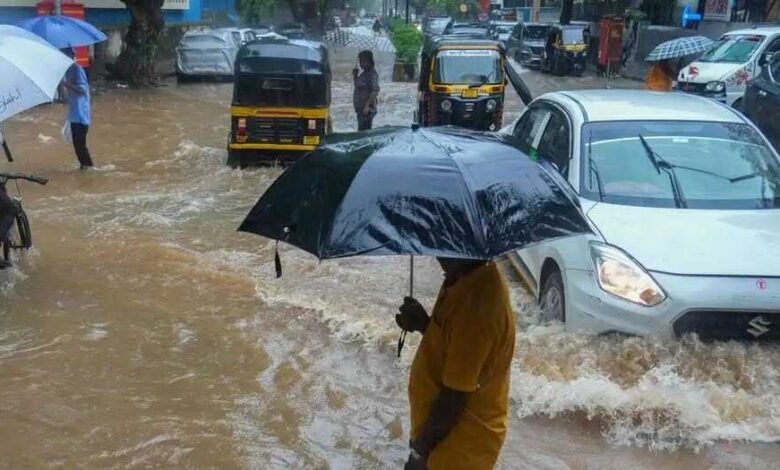
Relentless monsoon rainfall has brought normal life to a standstill across large parts of Maharashtra, with Mumbai and neighbouring Thane among the worst affected. Flooded roads, damaged railway tracks, and severe traffic disruptions have followed four consecutive days of intense rain and strong winds, while the death toll has risen to at least sixteen.
The India Meteorological Department has issued a Red Alert for Mumbai and Thane as heavy rain continues to lash the region. Several low lying neighbourhoods have been inundated, with floodwaters entering homes and forcing residents to deal with waterlogging and disrupted daily life.
Transport services have been hit hard by the extreme weather. Train services between Mumbai and Pune have been cancelled, while key highways connecting Mumbai with Pune and Ahmedabad have suffered damage due to heavy rainfall. Authorities have advised private companies to allow employees to work from home, and government schools in affected areas have been closed as a precaution.
Palghar district recorded some of the highest rainfall in the state, receiving around 300 millimetres of rain. Strong winds reaching speeds of 70 to 80 kilometres per hour have further worsened conditions, increasing the risk of fallen trees, power outages, and damage to infrastructure.


The impact of the monsoon has extended beyond Maharashtra. In Himachal Pradesh, landslides triggered by heavy rain claimed the life of a 14 year old girl after a large rock struck a vehicle. Flooding has also affected several parts of the hill state, disrupting transportation and daily activities.
Odisha has also experienced continuous rainfall over the past three days, leading to flooding in several towns and cities. Sonepur recorded an exceptionally high rainfall of 328 millimetres, highlighting the widespread impact of the active monsoon across different parts of the country.
Authorities continue to monitor the situation closely as emergency teams remain on alert. Residents in vulnerable areas have been urged to follow official advisories and avoid unnecessary travel until weather conditions improve.