Bengaluru Residents Hit by Vegetable Price Surge; Beans, Brinjal Cross ₹100 per kg
Vegetable prices have risen sharply across Bengaluru due to drought conditions and adverse weather in neighbouring states. Beans, white brinjal and several other vegetables have crossed ₹100 per kg, while tomato and onion prices have offered consumers some relief.

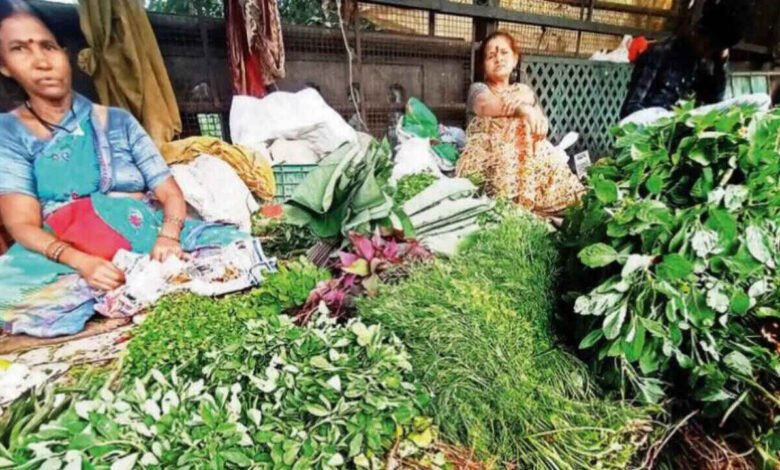
Shopping for daily vegetables has become more expensive for Bengaluru residents as the prices of several essential vegetables have increased sharply. Families are now spending more on their daily groceries, with beans, white brinjal and drumsticks among the costliest items in the market.
According to traders, prolonged dry weather in Karnataka and unfavourable climatic conditions in neighbouring states such as Andhra Pradesh, Tamil Nadu, Maharashtra and Kerala have affected crop production. Reduced arrivals in wholesale markets have resulted in a sharp rise in retail prices across the city.
Current Retail Vegetable Prices (Per kg)
Drumstick: ₹200–₹220
Garlic: ₹200–₹220
Beans: ₹115–₹140
Fenugreek Leaves: ₹120–₹130
White Brinjal: ₹110–₹120
Green Peas: ₹100–₹120
Green Chillies: ₹100–₹120
Capsicum: ₹80–₹100
Carrot: ₹80–₹100
Tomato and Onion Prices Bring Some Relief


Amid the overall price surge, tomatoes and onions have become comparatively cheaper. Tomatoes are available at ₹10–₹15 per kg in wholesale markets and ₹15–₹20 per kg in retail markets. Onions are also being sold between ₹20 and ₹25 per kg, offering some relief to household budgets.
Meanwhile, egg prices have also increased. A chicken egg that was selling for around ₹6.50 a few weeks ago is now priced at nearly ₹8, adding to the rising cost of daily essentials.
Consumers Cut Purchases as Prices Rise
The steep increase in vegetable prices has changed consumer buying patterns. Many shoppers who earlier purchased vegetables by the kilogram are now limiting their purchases to half or quarter kilograms to manage expenses.
Vegetable vendors say that despite higher prices, business has slowed because customers are buying smaller quantities. Overall, erratic weather and lower crop production have disrupted supply, putting additional pressure on the monthly budgets of Bengaluru households.