Guava or Banana Which Fruit Deserves a Place in Your Daily Diet
Guava and banana are both nutritious and affordable fruits, but their health benefits differ significantly. From weight management to heart health, experts explain which fruit suits different needs.

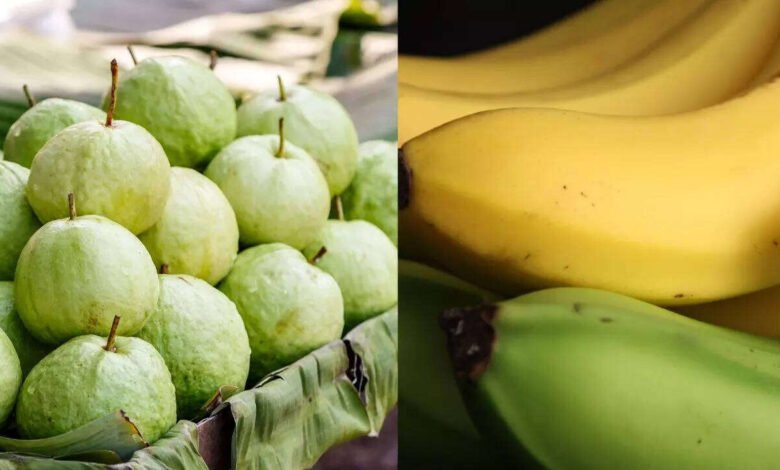
When it comes to healthy eating, fruits are often the first recommendation from nutrition experts. Among the most commonly available options, guava and banana remain household favorites. While both fruits offer impressive nutritional value, they serve different health purposes. Understanding their unique benefits can help people make smarter choices based on their individual health goals.
For those aiming to lose weight or reduce calorie intake, guava often stands out as the better option. It contains fewer calories and less natural sugar than banana while providing a generous amount of dietary fiber. This combination helps people feel full for longer periods, reducing unnecessary snacking throughout the day. As a result, guava has become a preferred fruit among individuals following weight management plans.
Banana, on the other hand, is known for its ability to provide quick energy. Rich in natural carbohydrates and sugars such as glucose and fructose, it delivers an instant energy boost, making it a popular choice among athletes and fitness enthusiasts. Many people consume bananas before or after workouts because they help replenish energy levels efficiently.
One of the biggest strengths of guava lies in its vitamin C content. A single guava can provide more than the daily requirement of vitamin C for many individuals. It also contains antioxidants such as lycopene, along with folate and fiber, making it a powerful fruit for supporting immunity and overall wellness. Its nutritional profile has earned it a reputation as one of the most nutrient dense fruits available at an affordable price.


Banana shines in a different area. It is packed with potassium, a mineral that plays an important role in maintaining healthy blood pressure levels and supporting proper muscle function. Along with potassium, bananas contain vitamin B6, vitamin C, and manganese, making them an excellent addition to a balanced diet.
Experts also point to significant differences in how these fruits affect blood sugar levels. Guava has a low glycemic index, which means it releases sugar into the bloodstream gradually. This makes it a suitable option for people who need to monitor their blood glucose levels. Bananas have a moderate glycemic index, especially when fully ripe. Individuals with diabetes are often advised to consume them in moderation and choose less ripe varieties when possible.
Digestive health is another area where guava performs exceptionally well. Its high fiber content supports regular bowel movements and helps prevent constipation. The antioxidants present in guava may also contribute to better heart health while supporting cognitive function and reducing stress levels.
Bananas offer benefits that extend beyond energy production. Their potassium content may help lower the risk of hypertension and support cardiovascular health. In addition, bananas contain tryptophan, an amino acid linked to the production of serotonin. This can contribute to a better mood and may even support improved sleep quality for some individuals.
Health professionals note that not every fruit is ideal for everyone. People living with kidney disorders may need to limit banana consumption because excess potassium can place additional strain on compromised kidneys. Similarly, individuals with sensitive digestive systems or conditions such as irritable bowel syndrome may find that the seeds and fiber in guava cause discomfort.
For people managing diabetes, moderation remains important regardless of the fruit chosen. While guava may have an advantage due to its lower glycemic impact, balanced portions are still essential for maintaining healthy blood sugar levels.
The comparison between guava and banana does not produce a single winner. Instead, the right choice depends on individual health goals. Those seeking lower calories, higher fiber, and stronger antioxidant support may benefit more from guava. Meanwhile, people looking for quick energy, potassium rich nutrition, and workout friendly snacks may find banana to be the better fit. Including both fruits in a balanced diet can offer the best of both worlds and help support overall health naturally.