Pakistan ex-envoy’s remark on India triggers major controversy
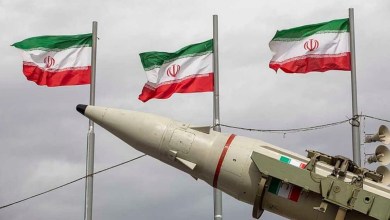
The remarks come in the backdrop of escalating hostilities in the Gulf region, where Iran has reportedly been targeting US-linked military assets in response to attacks attributed to the United States and Israel.

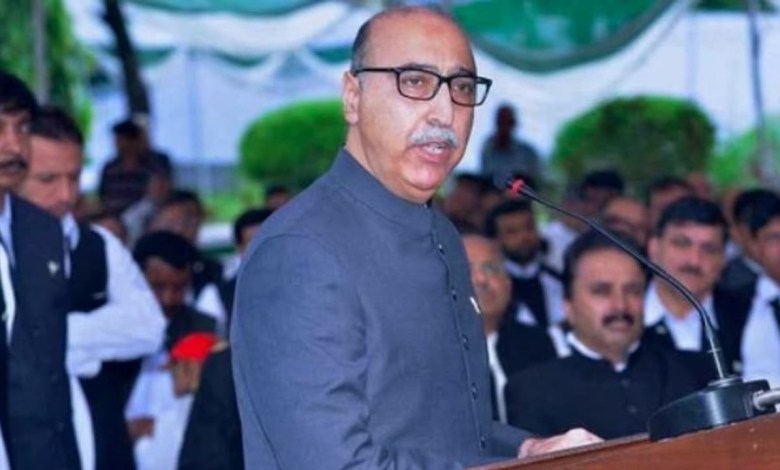
New Delhi: A controversial statement by former Pakistani High Commissioner Abdul Basit has sparked outrage and concern, amid already heightened global tensions involving United States, Israel and Iran.
The remarks come in the backdrop of escalating hostilities in the Gulf region, where Iran has reportedly been targeting US-linked military assets in response to attacks attributed to the United States and Israel. The ongoing conflict has disrupted regional stability and raised fears of wider geopolitical fallout.
Amid this volatile situation, Abdul Basit made a provocative claim during a television interview, suggesting that if the United States were to attack Pakistan, Islamabad could retaliate by targeting major Indian cities such as New Delhi and Mumbai.
The statement, though made in the context of a hypothetical scenario, has triggered widespread criticism for its aggressive tone and implications. Basit reportedly argued that Pakistan’s missile capabilities may not reach the United States effectively, but could strike closer regional targets, specifically India, without hesitation in such a scenario.

His comments have been described by analysts as “irresponsible” and “provocative,” especially given the fragile security environment in South Asia. The suggestion of targeting civilian urban centres has further intensified concerns about escalation and the rhetoric surrounding conflict in the region.
Notably, the Government of India has not issued any official response so far. However, the remarks have drawn sharp reactions in public and media circles, with many questioning the intent and timing of such a statement.
In a partial clarification, Basit later stated that he did not wish for such a situation to arise and described it as a “hypothetical discussion.” Despite this, the damage appears to have been done, with the statement continuing to fuel debate and diplomatic unease.
Experts point out that such rhetoric, even if speculative, can have serious consequences by heightening mistrust between nations. At a time when global tensions are already high due to conflicts in the Middle East, statements hinting at regional escalation in South Asia add another layer of concern.
The development underscores the sensitivity of diplomatic communication, particularly when it involves nuclear-armed neighbours like India and Pakistan. Observers stress the need for restraint and responsible messaging to avoid unnecessary panic and escalation.
As geopolitical tensions continue to simmer, the focus remains on whether such remarks will have any diplomatic repercussions or remain confined to political debate.