India Tightens Rules on CCTV Cameras to Strengthen Digital Security
From April 1, the Indian government will restrict the sale of internet-connected CCTV cameras without STQC certification, targeting foreign brands and enhancing national cybersecurity measures.

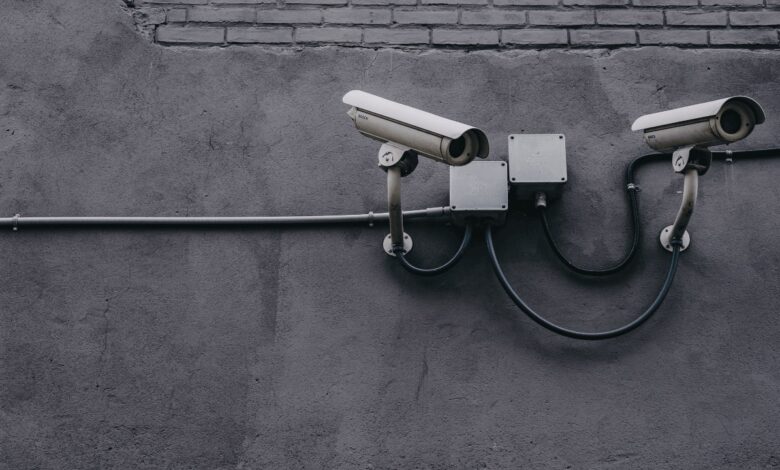
Starting April 1, India is set to implement stricter rules for CCTV cameras, aiming to bolster the country’s digital security framework. The new regulations will specifically affect internet-connected surveillance devices that lack official certification.
Under the updated rules, any CCTV camera without STQC, or Standardisation Testing and Quality Certification, will no longer be allowed to be sold in the Indian market. This measure is part of the government’s broader push to ensure secure digital infrastructure and protect sensitive data from potential vulnerabilities.
Foreign brands, particularly major Chinese manufacturers such as Hikvision, Dahua, and TP-Link, are expected to face the most immediate impact. Many models currently available in Indian homes and offices may no longer meet the new compliance standards.
The government’s move reflects rising concerns over cybersecurity and data privacy, especially regarding devices that connect to the internet. By enforcing certification requirements, authorities hope to prevent unauthorized access and strengthen surveillance system security nationwide.


Experts note that the regulation will encourage manufacturers to comply with Indian safety standards, ensuring that all devices sold in the country meet rigorous quality and security benchmarks. Consumers may need to verify certification before purchasing new cameras or replacing existing units.
This development marks one of the most significant steps in India’s digital security strategy, emphasizing that technology adoption must go hand-in-hand with robust safeguards to protect both individual and national data.