Tata Tiago EV 2026 Facelift vs Old Model Comparison Price Range Features Charging Changes Explained
Subtle price drop, updated design, and revised range numbers define the new Tata Tiago EV 2026 facelift. Here is a clear comparison of what has changed in battery, features, and performance against the older version

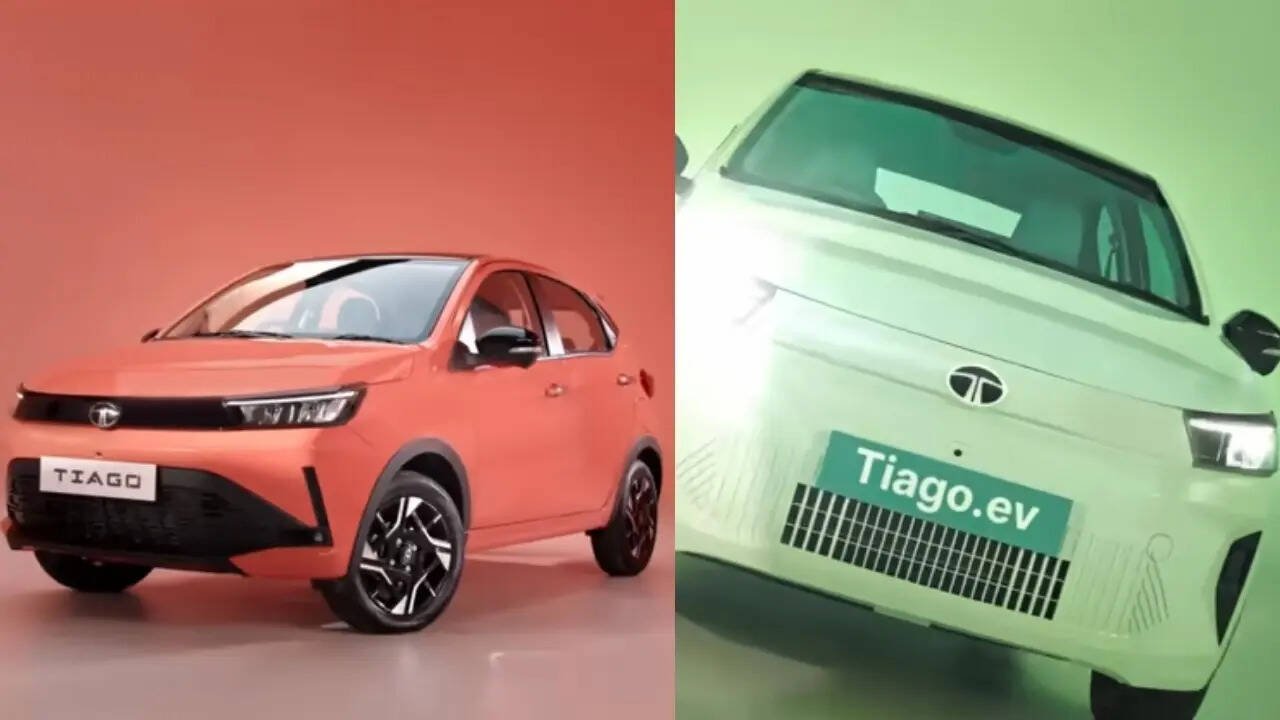
Tata Motors has refreshed its popular electric hatchback with the launch of the 2026 Tata Tiago EV Facelift in India. The updated model brings a redesigned exterior, a more modern cabin, and a revised feature list aimed at improving everyday usability. One of the biggest talking points is its lower starting price, which makes the new version more accessible than before. At the same time, Tata has also introduced lifetime battery warranty coverage, which adds long term confidence for EV buyers. However, alongside these upgrades, the claimed driving range has also seen a noticeable adjustment compared to the previous model.
When it comes to pricing, the difference is quite significant. The older Tata Tiago EV was priced between 7.99 lakh and 11.14 lakh rupees ex showroom depending on the variant. In contrast, the new 2026 Tiago EV Facelift starts at 6.99 lakh rupees and goes up to 9.99 lakh rupees ex showroom. Tata has also reshuffled the variant structure, moving from earlier trims like XE, XT and XZ+ Tech Lux to a new lineup featuring Smart, Pure+ and Creative+ personas. This change clearly shows the company’s focus on simplifying the product range while making the entry point more budget friendly.
Battery options remain familiar with 19.2 kWh and 24 kWh packs still on offer, but the claimed range figures have been revised downward. The older 19.2 kWh version delivered up to 250 km while the 24 kWh variant went up to 315 km on paper. In the updated model, the same 19.2 kWh battery now offers around 223 km and the 24 kWh version is rated for up to 285 km. While this may look like a step back on paper, real world efficiency and usage conditions will ultimately decide the practical difference for daily commuters.
Despite the reduction in range figures, Tata has improved charging performance. The company claims that the new Tiago EV can gain enough charge in just 18 minutes to support around 100 km of driving, which makes short top ups more convenient for city users. This quick charging focus clearly targets urban drivers who rely on frequent but shorter trips rather than long highway runs.


On the design and feature side, the facelift brings visible upgrades inside and out. The cabin feels more refined and better equipped compared to the older version, while the exterior styling has also been modernized to match current EV trends. Tata has tried to position the new Tiago EV as a more premium entry level electric car without losing its affordability edge.
Overall, the 2026 Tata Tiago EV becomes cheaper and more feature focused, but with a slight compromise in certified range. For buyers prioritizing price, design upgrades, faster charging, and long battery warranty coverage, the new model still stands as a strong and practical city EV option.