India Smartphone Market Slows as Shipments Drop and Vivo Takes Lead
India smartphone shipments declined in early 2026 amid rising prices and weak demand while Vivo secured the top position followed by Samsung and Oppo in a competitive market landscape

India’s smartphone market has hit a slowdown, with fresh data showing a noticeable dip in shipments during the first quarter of 2026. According to findings by Counterpoint Research, overall shipments fell by three percent year on year, marking the weakest first quarter performance the industry has seen in six years.
The decline reflects a combination of factors that are weighing heavily on both companies and consumers. Rising component costs, especially memory prices, along with currency fluctuations, have pushed brands to increase device prices. As a result, many buyers are delaying upgrades, leading to softer demand across segments.
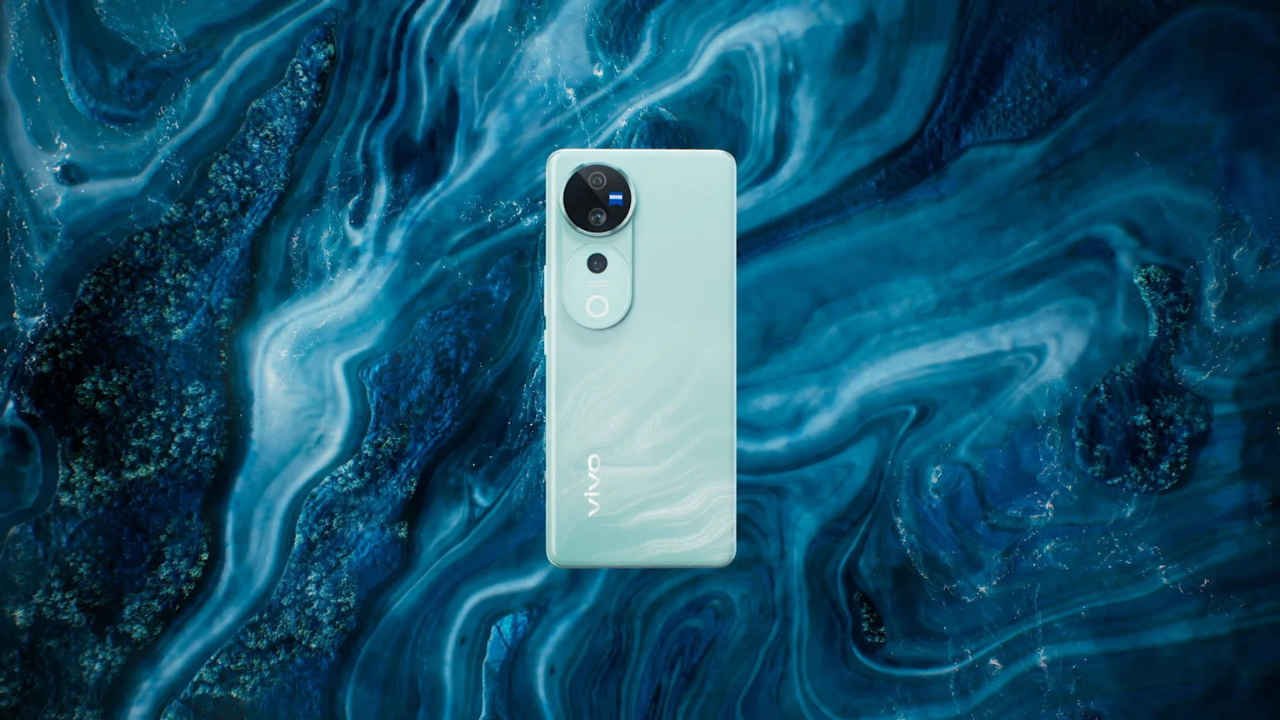
Despite the slowdown, competition among leading brands remains intense. Vivo emerged as the top player with a 21 percent market share, driven largely by strong demand for its V series in the mid premium segment and its growing retail presence across the country.
Close behind, Samsung secured the second position. The company benefited from aggressive sales offers on its Galaxy A lineup, including models like the Samsung Galaxy A07. Early interest in its flagship Galaxy S26 series also contributed to its performance, particularly in the mid range price band where it recorded significant shipments.


In third place, Oppo maintained steady growth with a 14 percent share. Its performance was supported by strong sales in the budget category, especially through its A and K series devices. Notably, Oppo also recorded the fastest growth among the top five brands with an eight percent annual increase.
Further down the ranking, Xiaomi, along with its sub brand Poco, secured the fourth position. The company saw double digit growth in the affordable segment between ten thousand and twenty thousand rupees, capturing a combined share of over 12 percent.
Premium devices continued to show resilience even as the broader market slowed. Apple held a nine percent share, supported by sustained demand for its latest iPhone 17 lineup. Meanwhile, Nothing stood out with a remarkable 47 percent year on year growth, helped by its expanding offline retail presence and rising brand visibility.
The report suggests that while the market is under pressure in the short term, brands are continuing to invest in launches and distribution to stay competitive. However, unless pricing stabilizes and demand picks up, the industry may continue to face headwinds in the coming quarters.