Israel Iran Conflict: Petrol and Diesel Prices goes high in India


Israel Iran Conflict: The escalating conflict between Israel and Iran, particularly with the recent involvement of the US in airstrikes on Iranian nuclear sites (as reported on June 22, 2025), is indeed a significant concern for global crude oil prices, and consequently, for petrol and diesel prices in India. Israel Iran Conflict: Petrol and Diesel Prices goes high in India.
Impact on Global Crude Oil Prices:
Strait of Hormuz: The biggest immediate concern is the potential for Iran to disrupt or close the Strait of Hormuz. This narrow waterway is a critical chokepoint, handling approximately a quarter of the world’s oil trade and a significant portion of liquefied natural gas (LNG) supplies.
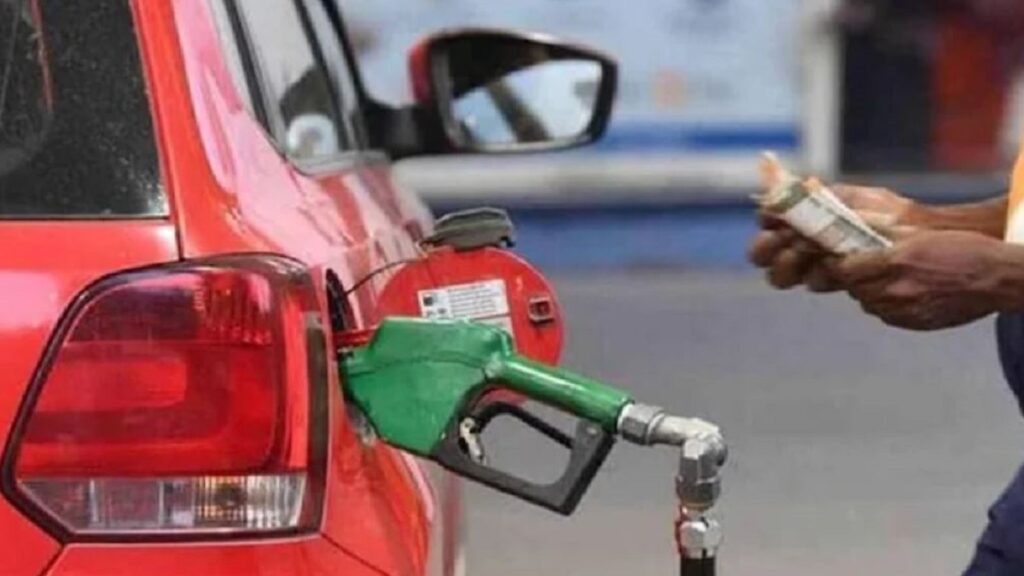
Any prolonged disruption would severely impact global energy flows and send crude oil prices soaring. Experts have warned of prices potentially reaching $120 per barrel, or even as high as $400 per barrel in an extreme scenario of a full blockade, though a full blockade is considered to have a low probability due to disincentives for Iran.


Supply Worries: Even without a full blockade, the heightened tensions and uncertainty create “supply worries” in the market. Traders and investors become anxious about potential disruptions, leading to speculative buying and driving up prices. Brent crude futures, for instance, have already shown significant jumps.
Geopolitical Risk: Geopolitical conflicts in major oil-producing regions add a “risk premium” to crude oil prices. This means that even if actual supply isn’t immediately affected, the perceived risk of future disruptions drives prices higher.
Impact on Petrol and Diesel Prices in India:
High Import Dependency: India is the world’s third-largest oil importer and is highly dependent on crude oil imports (over 85% of its needs). A significant portion of these imports, historically and currently, comes from the Middle East.
Strait of Hormuz Vulnerability: While India has diversified its crude oil sources, particularly increasing imports from Russia and the US, a considerable portion (around 40%) of its crude oil and nearly 50% of its gas imports still transit through the Strait of Hormuz. Any disruption here would directly impact India’s energy security and import costs.
Rupee Depreciation: Higher crude oil prices put pressure on the Indian Rupee, as more rupees are needed to buy the same amount of dollar-denominated oil. A depreciating rupee further increases the landed cost of crude oil.
Inflationary Pressure: Elevated crude oil prices lead to higher petrol and diesel prices, which in turn have a cascading effect on transportation costs, manufacturing, and ultimately, on the prices of a wide range of goods and services, contributing to inflation.
Government’s Role:
Excise Duty and VAT: The Indian government can adjust excise duties (central tax) and states can adjust Value Added Tax (VAT) on petrol and diesel. In the past, the government has used these levers to absorb some of the shocks from global crude price fluctuations, sometimes by increasing duties when international prices fall (to shore up revenue) and sometimes by reducing them to ease the burden on consumers.
Strategic Reserves: India maintains strategic petroleum reserves that can provide some buffer in case of short-term supply disruptions.
Diversification of Sources: As mentioned, India has actively diversified its oil procurement strategies, increasing imports from Russia and the US, to reduce reliance on the volatile Middle East.
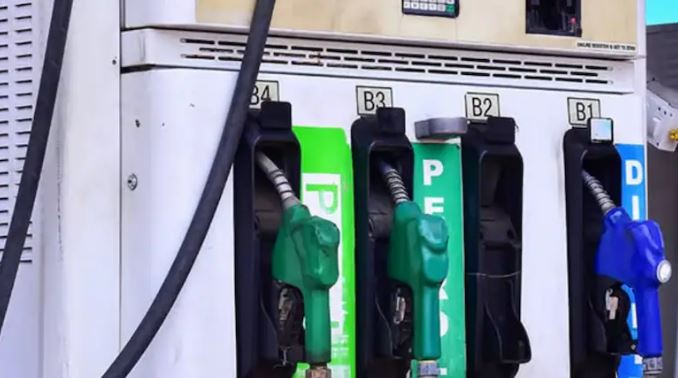
Recent Trends in India’s Fuel Prices:
March 14, 2025: Petrol and diesel prices in India were last reduced by Rs 2 per litre across the country, just before the Lok Sabha elections.
April 7, 2025: The government increased excise duty on petrol and diesel by Rs 2 per litre, effective April 8, 2025. However, the retail prices were not impacted at that time because the increase was offset by a reduction in international oil prices. This effectively meant the government absorbed the benefit of falling global prices to shore up its revenue, rather than passing it on to consumers as a price cut.
While India’s Oil Minister Hardeep Singh Puri has stated that India has “enough energy supplies to meet requirements for several weeks” and has diversified its sources, the escalating Israel-Iran conflict undeniably puts upward pressure on global crude oil prices.
If this conflict intensifies or leads to significant disruptions in the Strait of Hormuz, it is highly likely that petrol and diesel prices in India will eventually see an increase, despite the government’s efforts to manage the situation through diversified imports and strategic reserves. The long period of stable retail fuel prices in India could come under renewed pressure.
Also Read: Israel-Iran War: US attack Iran, High Alert in Kuwait and Bahrain