Desalination plants under threat as middle east tensions escalate

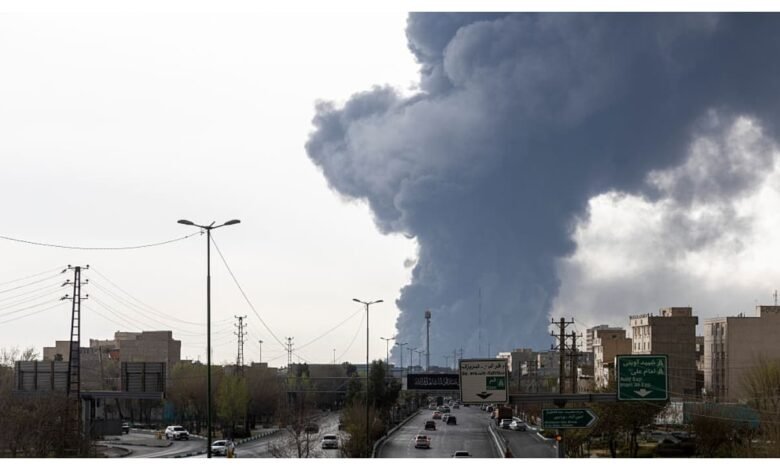
Tehran ; The ongoing geopolitical tensions in the Middle East have taken a dangerous turn, with sharp warnings exchanged between Donald Trump and Iran over the strategic Strait of Hormuz. The escalation has now extended beyond military targets, raising serious concerns about civilian infrastructure and humanitarian consequences.
Former US President Donald Trump has issued a stern ultimatum to Iran, demanding that it clear the Strait of Hormuz within 48 hours. He warned that failure to comply would result in targeted strikes on Iran’s key power plants, including its largest electricity generation facilities. The statement signals a widening scope of potential conflict, moving from strategic control points to critical infrastructure.
Responding strongly, Iran has issued a counter-warning, indicating that any attack on its energy infrastructure would be met with retaliation against “enemy assets” in the region. These include not only oil and energy facilities but also water supply systems and IT infrastructure. Of particular concern is Iran’s warning about targeting desalination plants—facilities that convert seawater into potable water.


Experts say this marks a highly alarming development. In Gulf countries, where natural freshwater resources are extremely limited, desalination plants serve as a lifeline for millions of residents. A disruption to these facilities could lead to a severe humanitarian crisis, affecting drinking water supply, sanitation, and public health across multiple nations.
The threat is not merely theoretical. Recent drone strikes and attacks in the region have already demonstrated the vulnerability of such critical infrastructure. Analysts warn that targeting desalination plants would represent a significant escalation, as it directly impacts civilian populations rather than military capabilities.
The broader conflict involving Iran, Israel, and the United States continues to intensify, with missile strikes, military operations, and disruptions to energy supply chains becoming increasingly frequent. The Strait of Hormuz remains at the center of the crisis, as a crucial passage for global oil shipments and a key factor influencing international markets.
Energy and security experts caution that the inclusion of water infrastructure as a potential target signals a dangerous shift in warfare tactics. “When essential civilian systems like water supply are threatened, the risk of a full-scale humanitarian emergency rises dramatically,” an analyst noted.
As both sides continue to exchange warnings, the situation remains volatile. The targeting of desalination plants, if carried out, could have far-reaching consequences, transforming an already tense military standoff into a widespread humanitarian disaster affecting millions across the region.