India–US tariff cut boosts markets; rupee surges sharply

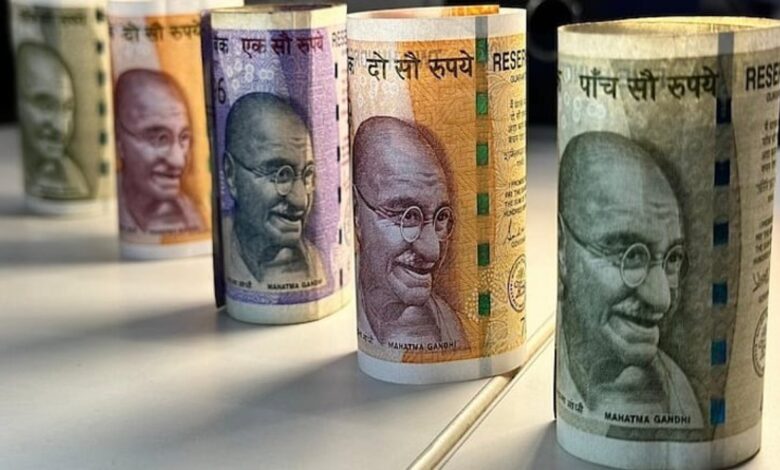
Mumbai: Financial markets in India witnessed a strong resurgence after the United States reduced import tariffs on Indian goods to 18 percent, triggering renewed investor confidence. The development not only propelled the stock markets to record gains but also strengthened the Indian rupee significantly against the US dollar.
The new India–US trade agreement has provided a major boost to domestic industries and improved overall market sentiment. Analysts say the reduction in tariffs has opened fresh opportunities for Indian exporters and enhanced India’s competitive position in global trade.
🚨Indian Rupee opens stronger at 90.40 against US dollar, strengthens 1.10 rupee. pic.twitter.com/XVfCCztycu
— Indian Infra Report (@Indianinfoguide) February 3, 2026



Reflecting the positive mood, the equity markets rallied sharply on Tuesday. The BSE Sensex soared by a massive 2,072.67 points to close at 83,739.13, while the NSE Nifty jumped 639.15 points to settle at 25,727.55. The impressive gains marked the second consecutive day of recovery following earlier budget-related volatility.
Along with equities, the Indian currency also staged a remarkable comeback. In early trade on Tuesday, the rupee appreciated by 119 paise against the US dollar, reaching 90.30 compared to the previous close of 91.49 in the interbank foreign exchange market. Currency traders attributed the sharp rise to improved foreign investor sentiment and expectations of higher capital inflows.
Market experts believe the US decision to lower tariffs has significantly improved India’s trade prospects. Commenting on the development, Anil Kumar Bansali, Treasury Head and Executive Director of Finrex Treasury Advisors LLP, said the agreement was a major positive surprise. “After nearly nine months, the US–India trade deal announced by President Donald Trump and endorsed by Prime Minister Narendra Modi has brought encouraging news. The reduction of tariffs to 18 percent gives Indian exporters a comparative advantage over neighboring countries like Bangladesh and Pakistan,” he said.
He further added that the move could pave the way for increased participation from foreign institutional investors (FIIs). “However, we will have to closely watch the stance of the Reserve Bank of India in the coming days, as its intervention in the currency market will play a crucial role in sustaining the rupee’s strength,” Bansali noted.
The impact of the agreement was also visible in global commodity markets. Brent crude oil, the international benchmark, declined by 0.41 percent to trade at USD 66.03 per barrel, reflecting easing global concerns.
Despite the overall optimism, exchange data showed that foreign institutional investors sold equities worth Rs 1,832.46 crore on Monday. However, strong buying support from domestic investors helped the markets maintain their upward momentum.
Economists believe that the tariff cut and improved trade relations with the US could lead to higher exports, better capital inflows, and stronger manufacturing growth in India. The latest developments have created a positive outlook for the Indian economy, with expectations of sustained market stability in the coming weeks.