Moto G Max India Launch Tipped With New Chipset and Revised Camera Setup
Motorola could introduce the Moto G Max in India with a new processor updated camera system software support and competitive pricing while retaining premium features from its global variant.

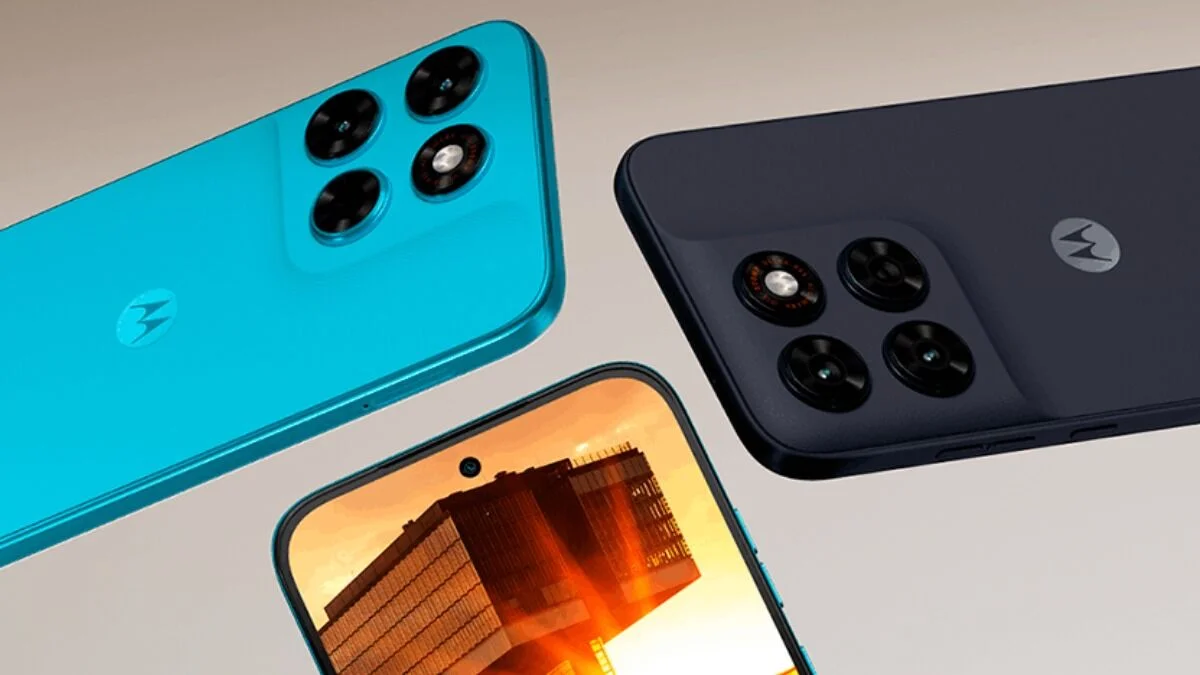
Motorola is reportedly preparing to expand its smartphone portfolio in India with the launch of the Moto G Max, a device that has already debuted in select international markets. While the global model attracted attention for its premium specifications, reports suggest the Indian version may arrive with several hardware changes tailored specifically for the local market. If the leaks prove accurate, the smartphone could make its official debut in the country on August 15.
According to information shared by tipster Abhishek Yadav on social media platform X, the Moto G Max is expected to be priced at around Rs 30000 in India. Although Motorola has not officially confirmed the launch date or pricing, the leaked details indicate that the company is preparing to position the smartphone in the competitive upper midrange segment.
One of the biggest differences between the Indian and international versions could be the processor. The Moto G Max launched globally with the MediaTek Dimensity 6400 chipset, but reports suggest the Indian variant may instead feature Qualcomm’s Snapdragon 6s Gen 4 processor. If true, this would make the Indian model distinct from the version already available in overseas markets and could influence both performance and battery efficiency.
Another major change is expected in the camera department. The international Moto G Max features a 200 megapixel primary rear camera, making it one of the highest resolution sensors in its category. However, the Indian version is tipped to include a 50 megapixel Sony LYT 600 primary sensor instead. While the megapixel count may appear lower, Sony sensors are widely recognised for delivering improved image quality, better low light performance and faster autofocus, suggesting Motorola may be prioritising balanced photography over headline specifications.


The smartphone is also expected to retain a dual rear camera setup. Along with the primary sensor, users can expect an 8 megapixel ultra wide camera capable of capturing wider landscapes and group photographs. On the front, the Moto G Max is likely to feature a 32 megapixel selfie camera designed for high quality self portraits and video calls.
Display specifications are expected to remain unchanged from the global model. The Moto G Max is likely to feature a large 6.8 inch display with 1.5K resolution, offering sharp visuals and an immersive viewing experience for streaming, gaming and everyday use. The large screen size is expected to appeal to users who consume multimedia content regularly or prefer spacious displays for productivity.
Software is another area where Motorola appears to be focusing on long term user experience. The smartphone is expected to ship with Android 16 based Hello UI, Motorola’s customised software interface. The company is also reportedly planning to provide two major Android operating system upgrades along with three years of security updates. Such software support has become an important factor for buyers looking to keep their devices secure and updated over several years.
Battery performance is expected to remain another strong feature of the Moto G Max. The global version includes a 5200 mAh battery capable of supporting extended daily usage on a single charge. The device also supports 32 W wired fast charging, allowing users to recharge the battery relatively quickly and minimise downtime.
Internationally, Motorola has introduced the Moto G Max in a single configuration featuring 8 GB of RAM and 256 GB of internal storage. It remains unclear whether the Indian market will receive the same storage option or additional variants with different memory configurations. Offering multiple options could help Motorola cater to a broader range of consumers with varying storage requirements.
The smartphone has also been made available globally in Azul Claro and Grafite colour options. Whether Motorola retains these colours for India or introduces exclusive finishes for local buyers remains to be officially confirmed.
The expected launch of the Moto G Max comes shortly after Motorola expanded its affordable smartphone lineup in India with the introduction of the Moto G37 and Moto G37 Power. Both devices are powered by the MediaTek Dimensity 6400 processor and run Android 16 based software. The Moto G37 features a 5200 mAh battery, while the Moto G37 Power offers an even larger 7000 mAh battery aimed at users seeking exceptional battery life.
With the Moto G37 series targeting budget conscious consumers, the Moto G Max is expected to strengthen Motorola’s presence in the premium midrange category. The smartphone will likely compete with devices from brands such as Samsung, OnePlus, Vivo, Realme and Xiaomi, all of which have introduced feature rich smartphones in the same price range.
Industry analysts believe Motorola has been steadily improving its position in the Indian smartphone market by offering clean software, dependable hardware and regular updates. If the company introduces a competitive price along with upgraded features for the Indian version, the Moto G Max could attract buyers looking for a balanced combination of performance, display quality and camera capabilities.
Although the leaked specifications have generated considerable interest, Motorola has not yet officially confirmed the hardware details, launch schedule or pricing. Final specifications may differ when the smartphone is announced. Consumers are therefore expected to wait for the company’s official unveiling to learn about the complete feature list, availability and introductory offers.
With a large display, modern software, long battery life and the possibility of a new Snapdragon processor, the Moto G Max is shaping up to be an important addition to Motorola’s smartphone portfolio in India. If launched as expected, it could become one of the company’s most significant releases in the upper midrange segment during the coming months.