BDA Begins Twin Tunnel Project to Ease Chronic Traffic at Bengaluru Hebbal Junction
Bengaluru launches ambitious twin tunnel project at Hebbal aiming to reduce congestion improve traffic flow and enhance connectivity despite public concerns over cost project necessity and execution.

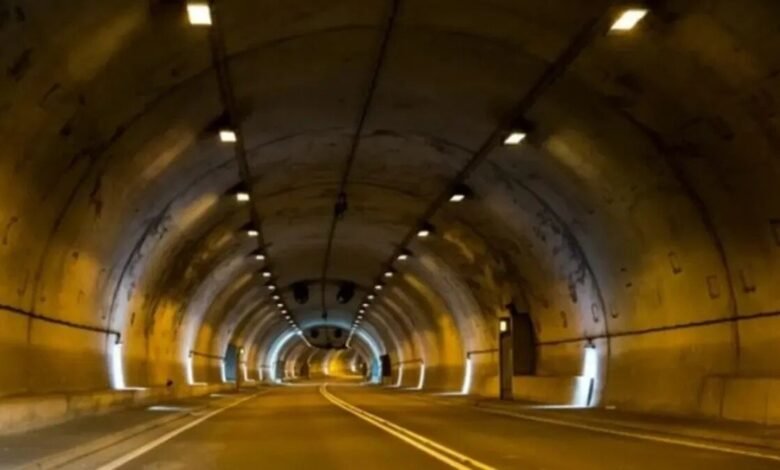
Bengaluru has taken another major step toward addressing one of its busiest traffic bottlenecks with the launch of a new twin tunnel project at Hebbal Junction. The Bengaluru Development Authority and the Karnataka government have initiated preliminary work on the ambitious infrastructure project, which is expected to improve traffic movement along one of the city’s most congested corridors. The tunnel project has been estimated to cost more than Rs 1130 crore and is planned for completion within the next two years.
Hebbal Junction serves as a critical gateway for commuters travelling between northern Bengaluru, Kempegowda International Airport and several important business districts. Over the years, rapid urban expansion and a sharp increase in vehicle numbers have resulted in severe traffic congestion at the junction, particularly during peak hours. Authorities believe the proposed tunnel will help reduce travel time and improve overall traffic efficiency in the area.
The project involves the construction of a 2.2 kilometre long twin tunnel stretching from Hebbal Junction to the Karnataka Veterinary Animal and Fisheries Sciences University campus. Each tunnel will feature three traffic lanes, allowing vehicles to move more smoothly while reducing pressure on the existing road network. Officials say the design has been planned to handle heavy traffic volumes and support Bengaluru’s growing transportation needs.
According to the Bengaluru Development Authority, the tunnel will be constructed using the cut and cover method, a technique commonly used for shallow underground infrastructure projects. This approach involves excavating the ground, constructing the tunnel structure and then restoring the surface above it. Authorities believe this construction method is suitable for the project’s alignment and will help maintain engineering efficiency.


The contract for executing the project has been awarded to Hyderabad based Rishik Projects Private Limited. The company will be responsible for completing the large scale civil works within the targeted timeline. Officials have stated that construction activities will be carried out in phases to minimise disruption to existing traffic as much as possible during the execution period.
The state government has described the project as an important investment in Bengaluru’s future transport infrastructure. According to officials, the twin tunnel is expected to provide long term relief from recurring congestion at Hebbal by allowing through traffic to bypass busy surface intersections. They believe the project will improve connectivity between key parts of the city while reducing delays experienced by daily commuters.
Before approving the proposal, the government said it held detailed consultations with traffic experts, urban planners and the Bengaluru Traffic Police. Authorities maintain that the decision was based on technical studies and traffic assessments rather than being a standalone infrastructure initiative. Officials argue that the project forms part of a broader strategy to improve mobility across the rapidly expanding city.
Despite the government’s optimism, the tunnel project has also attracted criticism from several sections of the public. Some residents and civic activists have questioned whether such an expensive infrastructure project is the best solution for Bengaluru’s traffic challenges. Critics argue that the large investment could instead be directed toward expanding public transport, improving bus services or strengthening suburban rail connectivity.
Urban planning experts have also expressed differing opinions about the long term effectiveness of the project. Some believe that while the tunnel may temporarily reduce congestion at Hebbal, increasing vehicle ownership could eventually fill the additional road capacity. They argue that sustainable traffic management requires greater emphasis on mass transit systems along with improvements in road infrastructure.
Supporters of the project, however, believe the tunnel is necessary because Hebbal has become one of Bengaluru’s most important transport hubs. Thousands of vehicles pass through the junction every hour, including airport traffic, commercial vehicles and daily commuters travelling between different parts of the city. Reducing congestion at this location could have a positive impact on travel across a much wider road network.
Business communities located in northern Bengaluru have also welcomed the project, stating that smoother traffic flow could improve connectivity for employees, customers and logistics operations. They believe reduced travel time would benefit commercial activity while making daily commuting more predictable for thousands of workers.
Infrastructure experts note that large urban transport projects often face criticism during the planning stage because of their cost and construction related inconvenience. However, they also point out that rapidly growing metropolitan cities require continuous investment in transportation infrastructure to keep pace with increasing demand. Successful execution and timely completion will be key factors in determining the project’s long term value.
Construction activities are expected to continue over the next two years, during which commuters may experience temporary diversions and traffic adjustments around Hebbal. Authorities have assured the public that necessary measures will be taken to minimise inconvenience and ensure safe movement of vehicles during the construction period.
The project represents one of the latest efforts by the Karnataka government and the Bengaluru Development Authority to modernise the city’s road infrastructure. Alongside ongoing flyover and road improvement projects, the twin tunnel is intended to strengthen connectivity in one of Bengaluru’s busiest transport corridors.
Whether the tunnel ultimately delivers the expected traffic relief remains to be seen. For now, the project marks a significant milestone in Bengaluru’s infrastructure development, with supporters viewing it as a bold investment in the city’s future while critics continue to question its cost effectiveness and long term impact. The progress of construction and its eventual performance will be closely watched by commuters, planners and policymakers alike.