Government Introduces Strict CCTV Security Rules for Camera Sales in India
The government has enforced strict CCTV security rules requiring certification and security checks for surveillance cameras sold in India aiming to protect sensitive data and strengthen national security systems.

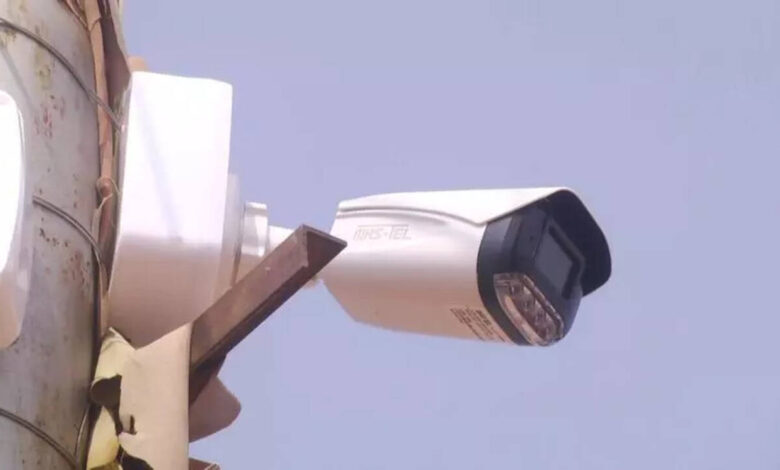
Government enforces new CCTV security rules
The central government has implemented new CCTV security rules that introduce strict regulations for surveillance cameras sold in India. The move is aimed at strengthening national security and preventing potential misuse of sensitive surveillance data.
CCTV cameras play an important role in improving security monitoring public spaces and collecting evidence in criminal investigations. However concerns have been raised about the safety of several surveillance devices currently available in the market.
Mandatory certification for CCTV products
Under the new CCTV security rules every surveillance camera sold in the country must receive approval through the Standardisation Testing and Quality Certification process. Only devices that successfully pass these security and quality tests will be allowed for sale in the Indian market.
Earlier the Ministry of Electronics and Information Technology had banned the sale of CCTV devices that did not receive this certification from April 9 2025. However traders were given time until March 31 2026 to clear existing imported stock.


With that deadline now over only certified CCTV cameras can be sold across the country starting April 1.
Impact expected on Chinese brands
The new CCTV security rules are expected to significantly affect several foreign companies particularly Chinese brands operating in the Indian surveillance equipment market. Companies that do not obtain the required certification will no longer be able to sell their products in India.
Officials say the decision was taken to reduce the risk of sensitive data being accessed through internet connected surveillance devices.
Concerns over foreign chipsets and data security
One of the main concerns raised by authorities involves the use of foreign chipsets in surveillance cameras. There have been fears that such devices could potentially transmit data to servers located outside India which may pose a security risk.
As a result the government is encouraging reduced reliance on foreign chip technology particularly from certain countries.
Background of security concerns
Security experts have long warned about vulnerabilities in surveillance infrastructure. In 2021 the government informed Parliament that around one million cameras installed in various government institutions were manufactured by Chinese companies.
Officials had expressed concerns that these systems could be vulnerable to hacking or unauthorized data transfers which could compromise sensitive information.
New requirements for manufacturers
Under the updated rules manufacturers must disclose detailed information about their CCTV devices. This includes the origin of the system on chip hardware components and other technical details related to the device architecture.
Authorities will conduct rigorous testing to ensure that surveillance equipment does not contain hidden vulnerabilities. Cameras must not include hardcoded passwords or hidden backdoors that could allow unauthorized access.
Devices must also support secure firmware updates and strong encryption to protect communication and data storage. Manufacturers are required to ensure that both hardware and software components are resistant to tampering.
Even cameras assembled within India will have to pass these security checks. According to officials nearly five hundred CCTV models have already received certification under the new security framework.