Why Curry Leaves Plant Dries Up At Home Simple Care Tips To Keep It Bushy And Healthy
Curry leaves plant often dries due to small mistakes in watering, sunlight and soil care. Learn simple home gardening tips that help it grow fresh, green and dense naturally

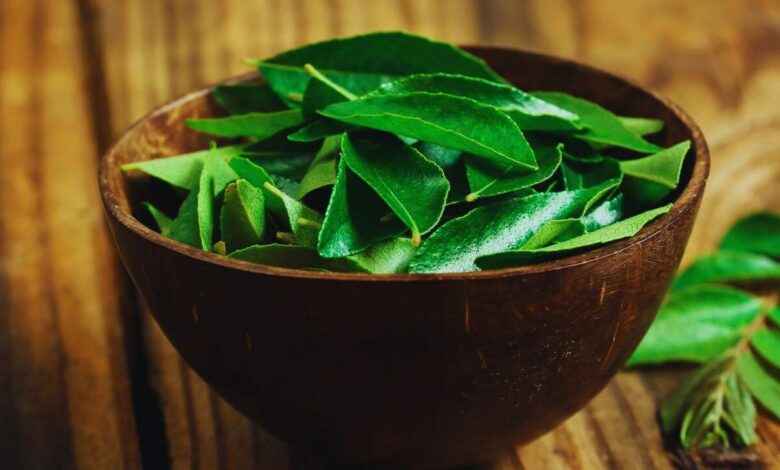
Curry leaves are an inseparable part of Indian cooking, especially in South Indian kitchens where their aroma lifts the taste of every dish. Many people prefer growing this plant at home so they can have fresh leaves whenever needed. But despite regular care, the plant often starts drying or shedding leaves, leaving gardeners confused about what went wrong.
One of the most common reasons behind a dying curry leaves plant is overwatering. Excess water collects in the pot and slowly damages the roots, eventually causing the plant to weaken. The soil should always be checked before watering, and only when the top layer feels completely dry should water be added. During rainy seasons, natural moisture is usually enough, so extra watering should be avoided.
Sunlight plays an equally important role in keeping the plant alive and healthy. Curry leaves need direct sunlight for at least six to eight hours a day. When kept in shaded areas, growth slows down and the plant becomes weak over time. Placing the pot on a balcony or terrace where sunlight is strong can make a noticeable difference in its health and leaf production.
Choosing the right pot and soil also decides the plant’s long term growth. Clay pots are generally better than plastic ones because they allow better airflow and drainage. The pot must have proper holes at the bottom so excess water can escape easily. Heavy soil that holds water should be avoided, while a loose mix of sand and organic compost works best for healthy roots and steady growth.


Regular pruning is another simple but powerful step that helps the plant grow thicker. Cutting the top part of the plant encourages side branches to grow, making it bushier. Removing early flowers and buds is also important because they consume energy that could otherwise go into leaf production. With timely trimming, the plant becomes fuller and more productive.
Simple kitchen based natural boosters can also improve growth. A diluted mix of sour buttermilk or rice water once a week can provide nutrients to the soil. Adding neem cake helps protect the roots from pests and improves soil quality. Even used tea leaves, when cleaned and dried, can be added near the base of the plant to support greener and healthier growth.
With the right balance of sunlight, water, soil care and small home remedies, a curry leaves plant can thrive for years. Instead of struggling with a drying plant, these easy habits can turn it into a lush green source of fresh leaves right at home.