Traditional Tamarind Storage Tips That Keep It Fresh All Year Like Grandma Used To Do
Indian kitchens rely heavily on tamarind for taste and health benefits. Learn age old storage methods that help preserve its freshness, color, and flavor throughout the year without spoilage issues

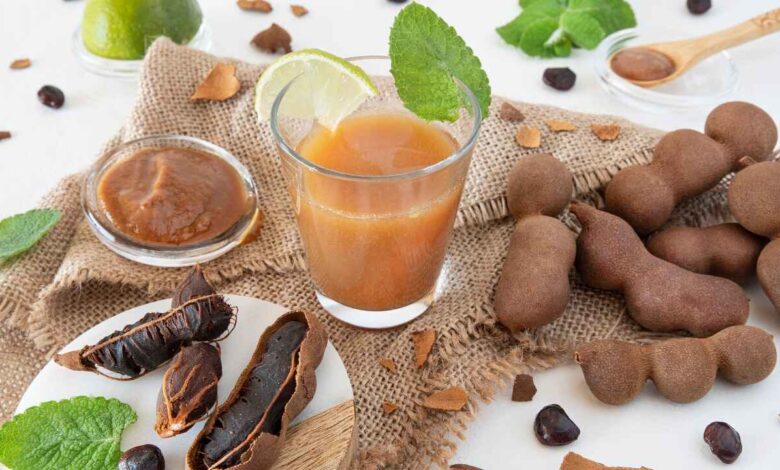
Tamarind holds a permanent place in Indian cooking, where almost every household depends on its tangy flavor for dishes like sambar, rasam, curries, and pickles. Beyond taste, traditional knowledge and modern studies suggest that tamarind also carries several health supporting properties, which makes it even more valuable in daily diets.
As soon as tamarind season arrives, many families buy it in bulk to last the entire year. But improper storage often leads to common problems like insect infestation, discoloration, or loss of taste. What once was fresh and rich can quickly turn unusable if basic care is ignored.
One of the most important traditional practices begins right after purchase. Fresh tamarind usually contains seeds, fibers, and natural moisture. Cleaning it thoroughly and removing unwanted parts is essential before storage. After cleaning, it should be spread out under sunlight for a full day. This step reduces moisture content and helps prevent fungus or spoilage during long term storage.
Another age old method that continues to work effectively is the use of rock salt. Grandmothers often stored tamarind by layering it with rock salt inside glass jars or ceramic containers. A small layer of salt at the bottom, followed by tamarind, and then another light sprinkle in between layers helps preserve it naturally. This method keeps moisture away and maintains both flavor and freshness for months.


Storage container choice also plays a major role. Experts and traditional practices strongly advise avoiding steel or aluminum containers, as the natural acidity of tamarind can react with metal and affect its quality. Instead, glass jars and ceramic pots are considered the safest options, as they do not interfere with its taste or composition. Plastic containers are commonly used today, but ceramic storage is still preferred for long term preservation.
Daily handling is another key factor often overlooked. Tamarind should not be exposed to air and moisture repeatedly. Every time the main storage jar is opened, humidity enters and slowly affects its quality. To avoid this, it is better to keep a small portion aside for daily use while leaving the main stock untouched. Some households also store tamarind in airtight zip pouches and refrigerate it to maintain its original freshness for even longer periods.
With these simple yet time tested practices, tamarind can remain fresh, flavorful, and usable throughout the year. What our grandmothers followed with experience still proves effective today, reminding us that traditional kitchen wisdom often holds the most reliable answers for everyday storage challenges.