Water Only Hair Wash Trend Benefits and Risks of No Shampoo Routine Explained
The no shampoo hair washing trend is growing worldwide as people try chemical free routines, but experts warn that water only cleansing may protect natural oils while failing to remove dirt buildup effectively.

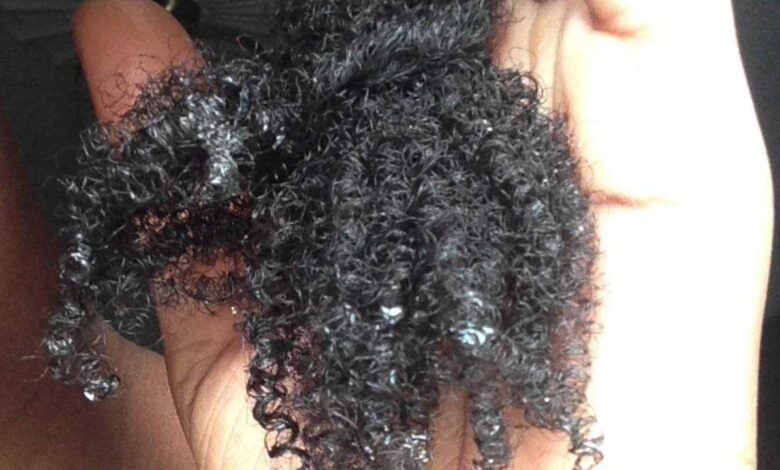
Hair care routines are changing rapidly as more people look for natural and chemical free alternatives in their daily lives. One such trend gaining global attention is the idea of washing hair only with water, often called the no shampoo method. Supporters believe it helps avoid harsh chemicals found in regular shampoos, while critics say it may not be enough for proper scalp hygiene.
In many households, shampoo has become a daily essential for clean and fresh hair. However, repeated use of strong cleansing agents is often linked to dryness, hair fall, and loss of natural scalp oils. This concern has pushed some individuals to experiment with simpler routines, including rinsing hair with plain water or occasionally using natural ingredients like diluted apple cider vinegar.
One of the key reasons people try water only washing is to preserve the scalp’s natural oil balance. The scalp naturally produces sebum, which keeps hair soft and protected. Frequent shampooing can sometimes strip away these oils, leaving hair feeling dry or frizzy. Water based washing is believed by some to help maintain this natural moisture and reduce exposure to chemical based products.
There is also an environmental angle that attracts many users to this method. Reducing the use of plastic shampoo bottles and chemical laden products is seen as a small but meaningful step toward eco friendly living. For people focused on sustainability, this approach feels simple and responsible.


However, hair experts point out important limitations of this trend. Scientifically, oil and water do not mix well, which means that sweat, dirt, and styling product residue can remain on the scalp even after rinsing. Over time, this buildup may block hair follicles and lead to issues like dandruff, itching, and increased hair fall.
The scalp naturally collects oil and environmental impurities every day. Without proper cleansing agents, these residues are difficult to remove. Experts explain that shampoos contain mild surfactants that help break down oil and wash away dirt effectively. Without them, the scalp may not get fully cleaned, especially in people with oily skin or heavy product usage.
Instead of completely avoiding shampoo, specialists recommend a balanced routine. Using a mild sulfate free shampoo once or twice a week and rinsing with water on other days can help maintain both cleanliness and natural oil balance. This middle path is considered safer for long term hair health, keeping the scalp fresh without over stripping natural moisture.