Should You Wash Chicken Before Cooking? Experts Say This Common Kitchen Habit Could Be Risky
Many home cooks believe washing raw chicken improves hygiene, but experts warn it may spread harmful bacteria across the kitchen and increase food contamination risks significantly.

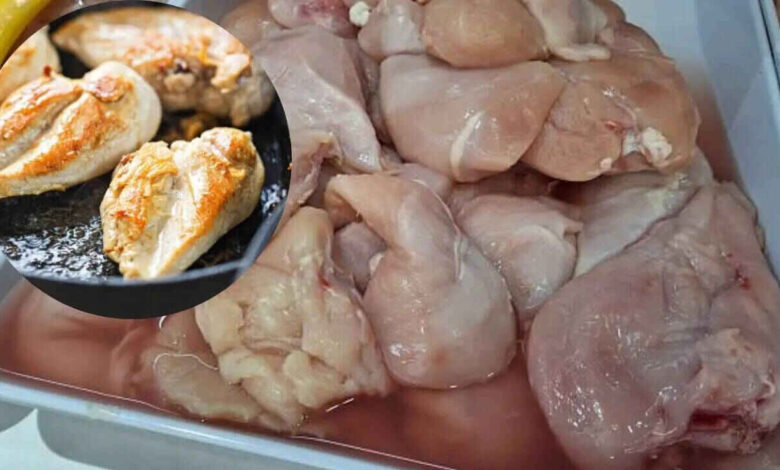
For generations, washing raw chicken before cooking has been considered a basic kitchen practice in many households. Most people believe that rinsing chicken removes blood, slime, unpleasant odors, and harmful germs. However, food safety experts now say that this long standing habit may actually do more harm than good.
Health specialists explain that raw chicken can naturally carry bacteria such as Salmonella, Campylobacter, and E. coli. When chicken is washed under running water, these bacteria are not removed effectively. Instead, tiny droplets of water can splash onto nearby surfaces, spreading microorganisms across sinks, countertops, utensils, cutting boards, and even clothing. This process, known as cross contamination, is one of the major causes of foodborne illness in home kitchens.
Many people assume that water is enough to clean raw meat thoroughly. Research suggests otherwise. Water does not destroy dangerous bacteria. In fact, washing chicken may unknowingly increase the chances of contamination throughout the cooking area. Experts note that a kitchen can become exposed to harmful germs even before the meal is prepared.
The safest way to make chicken fit for consumption is not through washing but through proper cooking. Food safety authorities recommend cooking chicken until its internal temperature reaches approximately 74 degrees Celsius. At this temperature, harmful bacteria are effectively destroyed, making the meat safe to eat. According to experts, heat remains the most reliable protection against foodborne pathogens.


Global health organizations including the Centers for Disease Control and Prevention and the Food and Drug Administration have repeatedly advised consumers not to wash raw chicken before cooking. Their guidance emphasizes placing the chicken directly into the cooking process and ensuring it is cooked thoroughly rather than relying on rinsing methods.
There are situations where people notice a strong odor or sticky texture on raw chicken. Experts warn that these signs could indicate spoilage. In such cases, washing the meat will not restore its safety. Discarding spoiled chicken is considered the best option. If excess moisture needs to be removed, using disposable paper towels is generally safer than rinsing under water. The used towels should be thrown away immediately, followed by careful hand washing with soap.
In many kitchens, traditional preparation methods continue to be popular. Some cooks prefer marinating chicken with turmeric, salt, or lemon juice before cooking. While these ingredients may contribute flavor and can help reduce surface microbes to some extent, they should never be considered substitutes for proper cooking. Thorough heat treatment remains essential for food safety.
Kitchen cleanliness is equally important when handling raw poultry. After preparing chicken, sinks, countertops, knives, and cutting boards should be cleaned carefully with hot water and soap. Experts also recommend avoiding the washing of fruits or vegetables in the same sink immediately after handling raw meat unless the area has been sanitized properly.
Food safety professionals stress that preventing contamination starts with simple habits. Separate utensils for raw meat, regular hand washing, and proper cooking temperatures can significantly reduce health risks. Small precautions in the kitchen often make a major difference in protecting families from foodborne illnesses.
While many traditional cooking habits have been passed down through generations, modern food safety research continues to reshape the way people handle ingredients. In the case of raw chicken, experts increasingly agree that washing is unnecessary and may even create additional risks. Proper cooking, careful handling, and a clean kitchen environment remain the most effective ways to ensure a safe and healthy meal.
This information is intended for general awareness. Individuals with specific health concerns or questions about food safety should consult qualified healthcare professionals or food safety experts for personalized guidance.