Notices Issued to Officials Over Alleged Lapses in Voter List Revision in Kolar and Mysuru
Election officials in Kolar face notices over alleged procedural lapses while similar complaints emerge from Mysuru raising concerns about transparency and proper implementation of voter list revision process

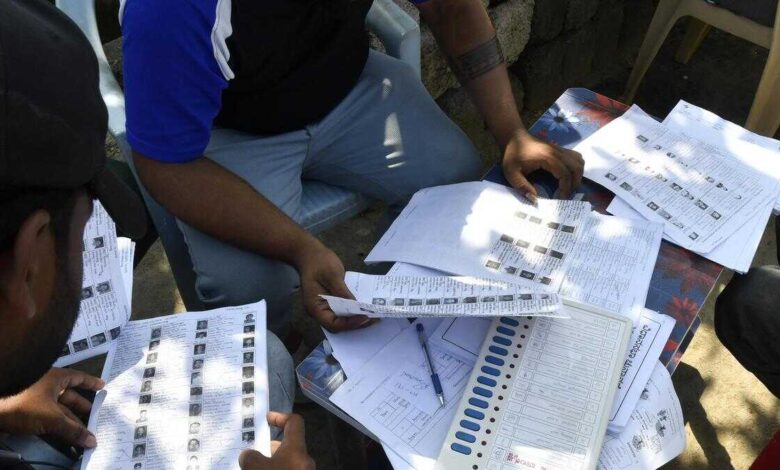
The ongoing Special Intensive Revision of the electoral rolls in Karnataka has come under scrutiny after alleged procedural violations surfaced in Kolar and Mysuru districts. Election authorities have initiated action against several officials in Kolar, while similar complaints from Mysuru have raised fresh concerns over how the revision process is being conducted.
In Kolar, the district administration has issued notices to multiple officials, including the Tahsildar, the Assistant Commissioner, supervisory staff and several Booth Level Officers after reports suggested they failed to follow prescribed election procedures. The action came after allegations that voter verification was not carried out in the manner directed by election authorities.
According to official instructions issued by the Chief Electoral Officer, Booth Level Officers are expected to conduct door to door verification while updating voter records. However, reports claimed that officials in polling booth areas numbered 185 to 189 gathered residents at a common location instead of visiting individual households. The alleged deviation from the guidelines drew public attention after it was highlighted in media reports.
Following the reports, the Kolar Deputy Commissioner sought an explanation from the officials involved. Notices were served to the Tahsildar, the Assistant Commissioner, supervisory personnel and the Booth Level Officers responsible for the affected polling stations. The administration is expected to review their responses before deciding on any further action.


Meanwhile, similar allegations have emerged from the Mysuru district. Residents in the NR Assembly constituency claimed that Booth Level Officers were conducting the voter list revision by calling people to public places and polling stations instead of completing the verification through house to house visits.
Local residents have expressed concern that the process should be carried out strictly according to the established guidelines to ensure transparency and accuracy. They argue that direct household verification helps prevent errors and allows every eligible voter to participate in the revision process without inconvenience.
The developments have also triggered a political debate. Opposition leaders have questioned the implementation of the revision exercise and accused the state administration of failing to ensure proper oversight. They have demanded that election procedures remain impartial and be conducted in full compliance with the rules.
Election authorities have maintained that the Special Intensive Revision is intended to improve the accuracy of voter rolls by identifying eligible voters and correcting records where necessary. As inquiries continue in both districts, the administration is expected to examine whether the reported lapses affected the integrity of the revision process and take appropriate corrective measures where required.