Bengaluru Draft Parking Policy Sparks Debate Over Tax Free Incentives for Vacant Landowners
A proposed parking policy offers long term property tax exemptions for vacant plots used as parking but the plan has triggered mixed reactions among Bengaluru property owners and residents

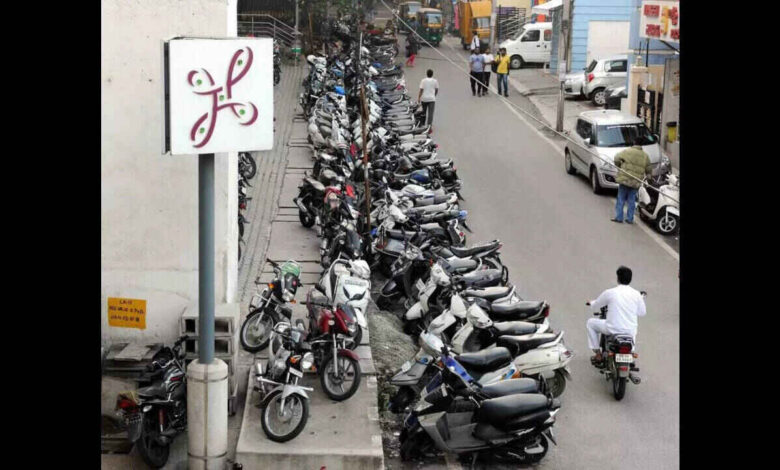
A proposed parking policy for Bengaluru has triggered widespread debate even before its official release. The draft policy, being prepared jointly by the Greater Bengaluru Authority and the traffic police, offers long term property tax exemptions to owners who convert vacant plots into public parking facilities. While some see it as a practical solution to the city’s growing parking shortage, others fear it could create long term complications for private landowners.
According to the proposal, owners who develop vacant sites into multi storey or automated parking facilities could receive property tax exemptions ranging from 15 to 35 years. The initiative is designed to encourage private participation in creating more organized parking spaces as the city struggles with increasing vehicle numbers and limited parking infrastructure.
However, the proposal has raised concerns among several property owners. Many argue that allowing public parking on privately owned land for decades could make it difficult to regain full control of their property in the future. They fear that such long term arrangements may lead to legal or ownership related complications even after the agreement ends.
Some residents have questioned whether a tax exemption is enough to compensate for losing the flexibility to use their land for personal or commercial purposes over such an extended period. They believe that committing a property for as long as 35 years is a major decision that could affect future generations and limit development opportunities.


On the other hand, the proposal has also received support from some landowners. They point out that many vacant plots currently generate no income while owners continue to pay property taxes every year. Under the proposed policy, they would not only receive tax relief but could also earn revenue through parking fees if they choose to develop or lease the facility.
Supporters believe the scheme could transform unused land into productive assets while helping ease Bengaluru’s chronic parking problems. Some also see opportunities to build modern parking structures through private investment or public private partnership models, creating a stable long term source of income.
Urban planning experts say the idea could benefit both the city and landowners if implemented with clear legal safeguards. They stress that transparent agreements, well defined ownership rights and proper exit clauses will be essential to protect the interests of private property owners while addressing Bengaluru’s growing demand for organized parking.
As discussions continue, the draft policy has already become one of the most talked about urban planning proposals in the city. The final version is expected to face close public scrutiny, with many stakeholders seeking stronger safeguards before the incentives are formally introduced.