MNREGA: CAG report exposes fraud in Karnataka
The audit, which covered the period from 2019-20 to 2023-24, exposes systemic failures and "explosive" financial irregularities in the Mahatma Gandhi National Rural Employment Guarantee Scheme (MGNREGA).

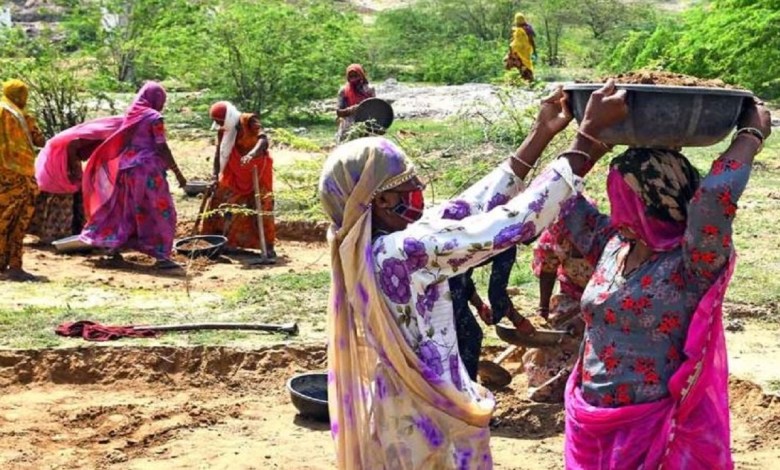
MNREGA: The Comptroller and Auditor General (CAG) report tabled in the Karnataka Legislative Assembly on Tuesday, March 24, 2026, has indeed sent shockwaves through the state’s administration.
The audit, which covered the period from 2019-20 to 2023-24, exposes systemic failures and “explosive” financial irregularities in the Mahatma Gandhi National Rural Employment Guarantee Scheme (MGNREGA).
1. The Financial fraud:
The report exposes a massive breakdown in financial oversight:
Wages without Work: The audit found significant sums paid for “construction” that simply didn’t exist.
Double Dipping: In several taluks, the state reportedly paid for housing repairs or constructions that had already been completed and paid for under different government schemes in previous years.
Attendance Fraud: In the 50 specific cases you mentioned, the lack of even a basic thumbprint or signature for a ₹5.51 lakh payout points to a complete bypass of the digital attendance systems meant to prevent such fraud.
2. Failure of the Safety Net:
Perhaps the most “alarming” part for those who rely on the scheme is the lack of support for genuine workers:
The Missing ₹10.98 Lakh: It is a stark injustice that 497 workers did the hard labor, submitted their documents, and were ignored, while ineligible people were siphoned money.
Hostile Work Environments: The CAG noted that the mandatory “Worksite Facilities” (drinking water, shade, and crèches) were missing in a majority of monitored areas, effectively barring the elderly and nursing mothers from participating.
3. Administrative & Technical Lapses:
The report identifies why these “absurd estimates” happened:
Missing Committees: The non-formation of District and Taluk-level technical committees meant there was no expert “second pair of eyes” to verify project costs.
Direct Vendor Payments: By paying vendors directly for materials rather than the beneficiaries, the government bypassed a crucial transparency layer designed to empower the individual worker and prevent kickbacks.
What Happens Next?
Typically, once a CAG report is tabled, it is referred to the Public Accounts Committee (PAC) of the Assembly. Given the “massive” nature of these irregularities, there is already significant pressure for:
A Lokayukta Investigation: To identify the specific officials and Gram Panchayat members who authorized these payments.
Recovery of Funds: Procedures to claw back the “additional expenses” and irregular payments made to ineligible persons.